Sunday, May 31, 2020

Get Outdoors During Hard Times

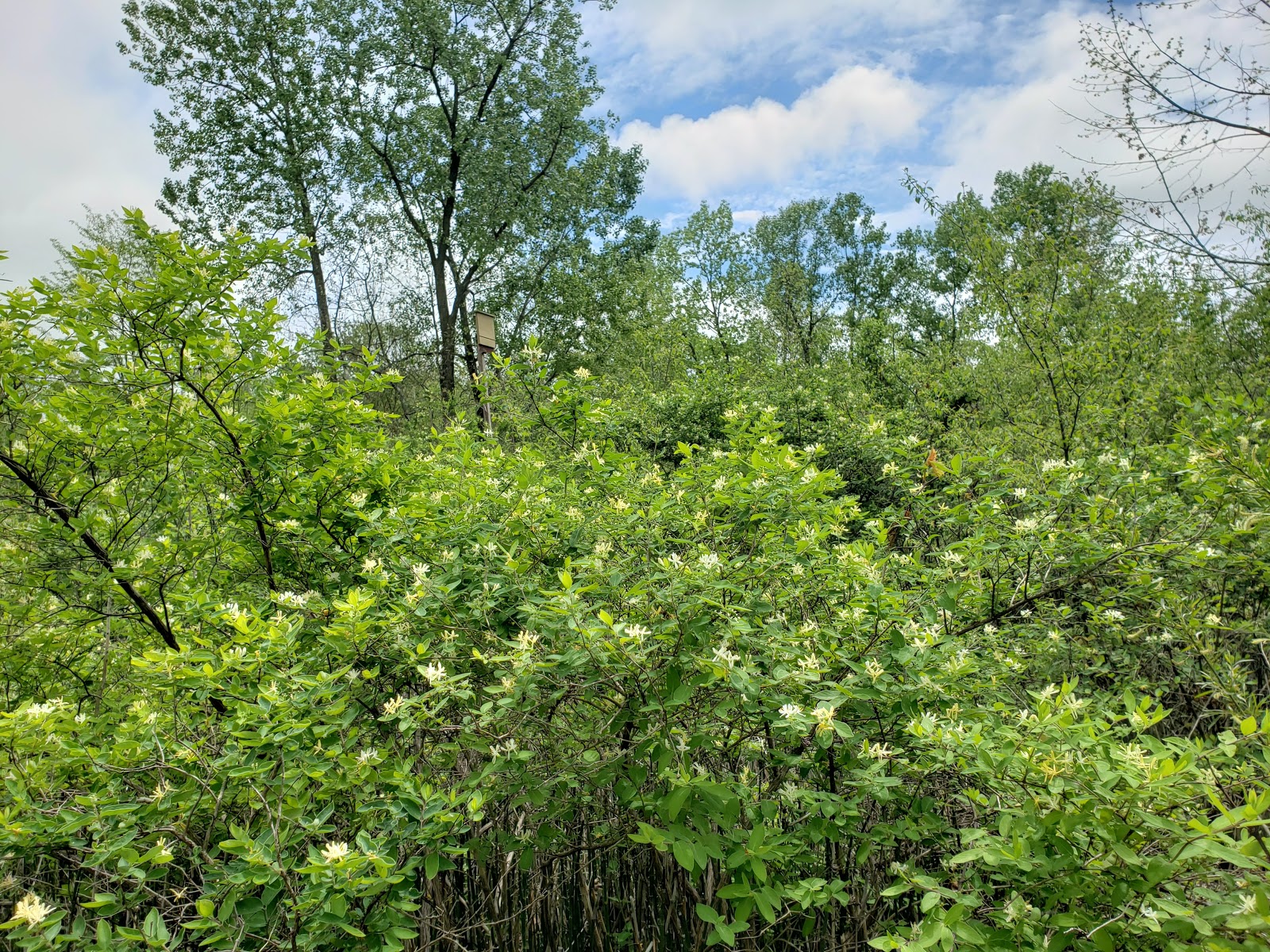
During these hard times it is best to get outdoors to nature. It helps you physically and mentally. With racial injustice, riots, chaos, destruction, and a global pandemic one would not be human to not be on the edge. While I can't feel completely better, I can be in one with God and the Earth by simply going for a hike or shopping for plants for my yard. Here are my pictures of recent nature hikes and nursery plants. Stay safe everyone!


Tuesday, May 19, 2020

Clusia (Autograph Tree)

Clusia rosea is a beautiful succulent shrub native to South Florida, the Caribbean, Northern South America, and parts of Mexico. Very popular landscaping shrub in South Florida and many areas in the Caribbean. I remember seeing them every where in the Tampa area as much as Boxwoods are used in the Northern states. The regular form has giant leaves and can reach 10'-15' tall and wide if not pruned. Though the dwarf form has tiny leaves and is more manageable as a small accent plant in a garden or houseplant. This plant is also a perfect alternative to the popular Jade succulent, especially when using the dwarf form (Clusia rosea 'Nana'). The dwarf form only grows a few feet tall and wide after many years. Clusia grows in full sun to part shade. Performs best in full sun and well draining soils. Though they do appreciate some moist soils, as they suffer in prolonged dry periods. In the wild they grow near/on the coasts where there are no trees to block sun, and sand easily drains. These plants are notorious for growing on other trees like an Orchid does. This plant is commonly called the autograph tree because you can scratch your name into the leaves and the engravement will stay forever on the leaf until it eventually dies. This plant is exotic in the Houseplant trade, and may be very difficult to obtain. If you do find one at a local graden shop, I highly recommend buying one before they sell out. I myself found the dwarf form and am growing it with my other succulents. The first picture in this post is of my own Clusia Nana I bought at my local nursery in Indianapolis. Clusia rosea are hardy in USDA Zones 10 and warmer. They are reported somewhat hardy in the warmer regions of zone 9, but should be planted in a protected site from frost. The Tampa area is solid zone 10a, and they are very common there. In that region temps can dip into the 30s, but rarely if ever below 30°F at the coldest point. I would also imagine, established specimens would simply sprout new growth if winter damage was severe. I have seen many mature specimens in the Tampa/Fort Myers area (USDA Zone 10a) that are very healthy as of March, 2020 while on a Florida vacation right before the Coronavirus got really bad. Whether you are in a region where it can be grown as a perennial, or want to grow it indoors, this succulent is a must for you avid plant growers out there!

My Dwarf Clusia

Grown as a small tree

Grown as a hedge 


Native Range and Native Range in Florida


Wednesday, April 22, 2020

Eastern Red Cedar (Juniperus virginiana)

The Eastern Red Cedar is one of the most widespread confierous evergreens in the Eastern US, growing over most of the Eastern half of the country. This tree in some areas is considered a weed, though does has a lot of benefits and is essential for the environment. The berry like cones produce food for wildlife (especially birds), and since they are evergreen help stop erosion in disturbed/poor sites. These trees typically germinate in open sunny areas where drainage is excellent. Even in areas with heavy clay slopes dry very quickly so this Juniper will take over like a weed. I have seen them growing on the edge of limestone and rock in Southern Indiana and Kentucky and they essentially help prevent erosion as they can grow in the driest and more difficult soils. Surprisingly enough they can also tolerate moist soils, but will rot in wet soils. Evergreen trees provide energy to the soil in wintertime that deciduous trees don't, this is the main reason evergreens are so great at erosion control especially on hilly or rocky sites. They also make a great screening tree in open sites as well. Many cultivars exist for ornamental purposes in landscaping. Consider planting a native Eastern Red Cedar to help the planet!


Bird eating Juniper berries

Planted as a screen

Mature speciemen

Mature speciemens at a cemetery

#1 Wild speciemens to help soil and erosion on slope

#2

Cultivar 'Taylor' is an upright form similar to Italian Cypress. Grows 30' tall by only 3' wide at maturity.

Cultivar 'Canaerti' has branches growing outward in all directions to have a wildly look

Cultivar 'Grey Owl' is a true dwarf form. It is a low groundcover like shrub that has greyish/blue foliage that matures to 2' tall by 6' wide.

Native Range including southern variety that goes down though Central Florida, along part of the East Coast and over to Eastern Texas.

Sunday, April 12, 2020

Types of Deciduous Trees in Florida


 (Red Maple Trees amongst Palm Trees)


It may surprise me you that there are a lot of deciduous trees grown and native to Florida. While most deciduous tree are only found in north Florida where freezes are present during Winter months, but quite a few are grown through Southern Florida as well mostly due to the fact that it gets "cool" in Winter and isn't optimal for growth so plants go into brief dormant state.

1. Red Maple (Acer rubrum)

Red Maple is recognized as the most widely distributed Deciduous tree in North America ranging from Southern Canada, to Minnesota, over to Maine, and all the way down to Southern Florida to the Everglades. Hardy in USDA Zones 3-10. Yes, this Maple tree can be grown in Toronto to Miami. The dormant state is extremely brief in South Florida, only a couple weeks. Leaves turn red around Christmas. Tree goes bare around the New Years, and gets flowers by the middle of January, then foliated by the end of January. There is a cultivar developed from wild trees in Florida better adapted to high heat and humidity with mild winter of Florida. This cultivar is called 'Florida Flame'. A tree grown in Michigan would die if it was brought to Florida, as the trees are adapted to the regions they grow in. Interestingly enough the Florida Flame variety has been known to grow into USDA Zone 5/6, but dies in zones 3-4 as it originates from much warmer Florida wild Red Maples


2. Bald Cypress (Taxodium distichum)

Bald Cypress also has a vast native range from Southern Indiana, to New York down to South Florida. It is the most famous tree growing straight in standing water in the Everglades. It is a Conifer related to Pine but drops it's needles in the fall. Hardy in USDA Zones 4-11. Bald Cypress unlike Red Maple has a longer dormancy, and won't regrow new foliage until nights are hot. Even if it's 80°F in February the nights are still chilly so the tree stays bare untill true Summer arrives (usually by early-mid March in Florida) when nights are constantly near or above 60°F. Landscaped all the way into Minnesota and Canada with no problems with the cold.


3. Crape Myrtle (Lagerstroemia spp.)

Native to Sub-Tropical regions in Asia, this tree is adored in the Southern states with it's show of flowers that cover the tree all summer long adding a tropical ambiance. Hardy in USDA Zones 7-10 (some varieties into zone 6). While this tree doesn't grow in Southern Florida, it is grown through parts of Center Florida. Crape Myrtles also foliate when temps get really warm consist


4. Sweetgum Liquidambar styraciflua)

Sweetgum has a vast native range from South Central Indiana to New York City down to North Central Florida. Beautiful Maple like leaves that turn not just one color but range from being yellow to orange to Red to all of the above.


5.  Pignut Hickory (Carya glabra)

Pignut Hickory has a vast native range expanding over much of the Eastern Half if the US. Native through Central Florida. Hardy in USDA Zones 4-9 and into 10a, but not further South. Pignuts provide essentially food for wildlife. Fast growing and makes an excellent shade tree!


This list could go on and on, but I listed my top 5. There are so many deciduous tree native and landscaped to Florida. Hope you all found it very useful! Stay safe y'all! 🌳


Some Sources:

1. https://plants.ces.ncsu.edu/plants/taxodium-distichum/
2.https://plants.ces.ncsu.edu/plants/lagerstroemia-indica/
3. https://plants.ces.ncsu.edu/plants/liquidambar-styraciflua/
4. https://www.chronicleonline.com/news/real_estate/fall-foliage-and-pruning-logic-in-florida/article_ef9cb6a2-b313-11e8-86f9-63b83b04260f.html
5. http://www.wildsouthflorida.com/red,maple.html#.XmMaoWlOkwA
6. https://blogs.ifas.ufl.edu/orangeco/2018/06/28/the-florida-flame-red-maple-makes-a-colorful-addition-to-the-landscape/

Tuesday, April 7, 2020

4 Best Palm Trees as Low Maintenance Houseplants

1. Lady Palm (Rhapis excelsa)

Extremely low maintenance. Grows in low light to high light. Allow soil to thoroughly dry between waterings. So watering is very minimal. This is a fan Palm that is usually bush like in nature. Always grown as a clump. Slow growing, but after many many years will grow up to 15' tall.

2. Pygmy Date Palm (Phoenix roebelenii)

Extremely low maintenance. Grows in low light to high light. Allow soil to thoroughly dry between waterings. Water is very minimal. Grows as a clump or a single trunk. This dwarf Palm only mature to 6'-8' tall.

3. Kentia Palm (Howea fosteriana)


Extremely low maintenance. Grows in low light to high light. Allow soil to thoroughly dry between waterings. Watering is very minimal. Usually grown as a clump, but can be attractive as a single stem. Extremely slow growing, but will eventually reach 60' outdoors, but likely stay less than 15' indoors after several decades. Unfortunately is very difficult to find in nurseries due to high demand and extremely slow propagation. Usually very expensive if you do find one, but I highly recommend getting it if you see one!

4. Parlour Palm (Chamaedorea elegans)

Extremely low maintenance. Grows in low to medium light. Foliage scorches in direct sunlight. Allow soil to dry between waterings, but let soil become bone dry, or stay dry. Always sold as clump, usually a small plant less than 2' in size most of the time several inches high. Resembles a small Fern due to compact dwarf size. May eventually reach 5' after many years. After 50 years of growth outdoors they can reach 10'-15'. Very common, and usually very cheap. Makes a perfect addition to your home or office!


 *Photos in order with numbered plants


Wednesday, March 18, 2020

Conifer Landscaping in Southern Florida

1. Sand Pine (Pinus clausa)

Sand Pine grows in sandy areas in Central, South Central, and parts of Southern Florida. Highly adapted to sandy rocky arid soils. Hardy in USDA Zones 8-10 (11). Short needles with compacted growth is preferred for landscaping and as a Christmas tree. Witches brooms are grafted onto the trunk of a regular Pine trunk for a topiary in landscaping.


2. Leyland Cypress (Cupressus × leylandii)

Leyland Cypress has soft foliage with compact growth. Hardy in USDA Zones 5-10. Very tolerant of humid summers and mild winters of the deep South. Very popular Christmas tree. Though may struggle in zone 10b, and too hot in zone 11.


3. Slash Pine (Pinus elliottii)

Slash Pine grows in most of the state of Florida excluding part of the Everglades and the swampy areas. It even grows into the Florida Keys. Southern variety (var. densa) is hardy in USDA Zones: 10-11 (northern variety in zones 7-9 (10))  Has very long needles that are 6"-12" long. When young appears to be a grass and not a tree. Produces huge pine cones that are 5"-8" long. Mostly planted in restoration sites, or planted for erosion control, though is becoming popular in urban landscaping as well.


4. Norfolk Island Pine (Araucaria heterophylla)

 Norfolk Island Pine is a tropical Conifer hardy to zone 10. Small not so sharp needles adds beauty to the landscape. Popular as a Houseplant as well. Can be grown as a focal point specimen or many as a screen. Very popular Christmas tree.


Loblolly Pine The New Northern Pine

Loblolly Pine Pinus taeda The Loblolly Pine is widely known as the most common Pine tree in the South-Eastern United States. However, it is ...