Monday, January 30, 2023

Native Trees for Wet Areas

Indiana Native Trees for Wet Areas

This list provides native tree species excellent for the purpose of naturalizing wet areas. Many people will want to plant non-natives for landscaping purposes. This is absolutely fine, so long as they are not invasive species. However, the people who are trying to naturalize a site will obviously want to use native species. This post I will list the best options for wet areas.


1. American Sycamore (Platanus occidentalis)


This tree is common as a succession tree in disturbed sites/wet areas. Very prevalent along creeks, rivers, and general low areas prone to flooding. Grows super fast, and lives for centuries developing gorgeous bark that peels to show a glistening white. Prefers Full sun, it is adapted to partial shade due to a partial canopy.


2. Boxelder Maple (Acer negundo)

This Maple doesn't look like most Maple leaves, so it is rarely grown in the nursery trade. This Maple is often seen as weedy. It develops into a large tree given time, and even grows as a clump form (multiple trunks) is not uncommon in the wild. Great for soil stabilizing as it grows vigorously. Full Sun-partial shade


3. Swamp White Oak (Quercus bicolor)

This Oak species, is unlike most Oaks that it tolerates wet sites. All Oaks develop deep tap roots, so they grow in dry sites. Swamp White Oak is common in nature to stabilize soils in wet areas where fewer trees can grow. Just like other Oaks, it grows very large and lives for centuries. Fantastic option to develop a real forest look, where others won't grow! Full sun-partial shade.


4. Pin Oak (Quercus palustris)

While not recommended anymore for landscaping due to intolerance of drought and chlorosis from poor urban soils, this native tree is fantastic for wet areas for the purpose of naturalizing. Just like the Swamp White Oak, Pin Oak will give a forest effect to an area where other hardwoods can not grow. Full sun-partial shade


5.  River Birch (Betula nigra)

Obviously given the name, you would assume it grows near rivers or at the very least wet areas. That would be a correct assumption. They are intolerant of drought, and often suffer chlorosis in landscaping situations and have a whole sort of issues in the landscaping. However, as a naturalizer it will add some pizzazz to the ecosystem with its cinnamon peeling bark! Native to the Southern half of the state. It has been known to naturalize North of the defined native range due to planting. Full sun.


6. Eastern Cottonwood (Populus deltoides)

This tree is a famous succession tree that is one of the first to pop up in disturbed sites. Will grow in dry prairie settings, to wet soils by flood zones and creeks/rivers. Known to live for at least a couple centuries and become a very large tree with a vigorous growth rate. Full sun.


7. Silver Maple (Acer saccharinum)


This tree was widely planted during the 1950s-60s as a yard tree. It is now despised by most arborists and the people in general as a weedy tree with very weak limbs and invasive roots. So it is best to avoid planting these near a foundation (just like a River Birch). However Silver Maples are excellent for restoration purposes. One of the best options for soil erosion control. Full sun.


8. Bald Cypress (Taxodium distichum)

This tree is only native to a sliver of far South-Western Indiana where the Ohio River is. So technically, not a native to most of the state, it can easily naturalize North of its defined native range, and absolutely will benefit an ecosystem for restoration. This is a deciduous Conifer, meaning it drops it's needles in the Autumn, and regrows them in the Spring. Grows even in standing water, and is adaptable to drought. Extremely versatile. Lives for centuries and grows vigorously. Full sun


9. Black Willow (Salix nigra)

This native Willow grows in any kind of wet soil, even near standing water. Very vigorous grower. Full sun


10. Northern Hackberry (Celtis occidentalis)

This tree grows in a wide variety of soils. It will tolerate even wet soils, except ones that are consistently standing water. Gorgeous bark is very unique, lives for at least a couple centuries and grows vigorously. Full sun-partial shade.



Sunday, January 29, 2023

NatureMan's Top 5 Evergreen Tree Cultivars of 2022

 NatureMan's Top 5 Evergreen Tree Cultivars of 2022

01/2023

I live in Central Indiana in USDA Zone 5b. The trees I recommend are for my climate and region. There may be better options for your location, so I advise you to do research to determine if what I list are the best options for you or not.


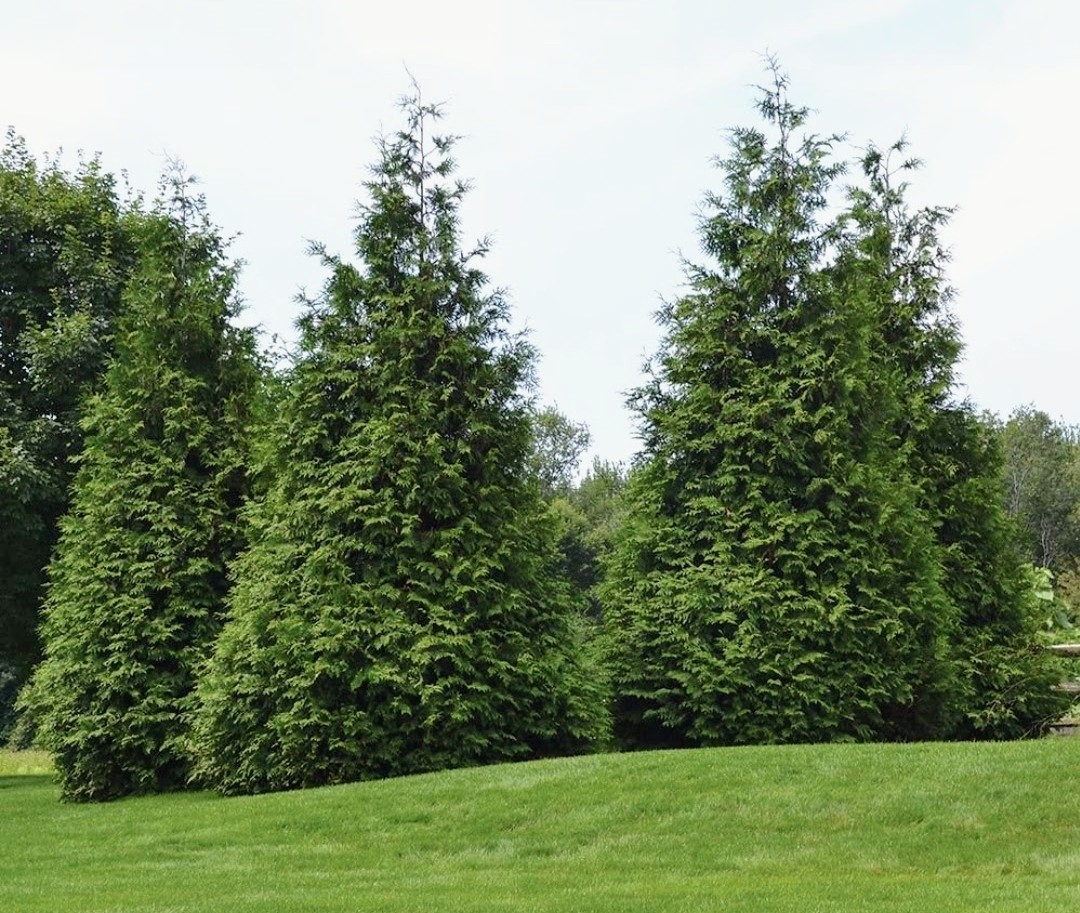
  1. Green Giant Arborvitae

This tree is increasingly popular in landscaping as a screening tree. Unlike the very common Emerald Green, Green Giant is a full size evergreen tree. Maturing to 50' tall by 25' wide. Very fast growing at 3'+ per year, especially when young. It will tolerate poor soils, except ones that are consistently wet.  Green Giant grows best in a moist but well draining soils. It has some drought tolerance once established. It grows in full sun-part shade.  Unlike Spruce or Pine, Arborvitae has soft foliage so you won't get pricked. Hardy in USDA Zones 4b-8.

Green Giant is very disease resistant, unlike the very common Leyland Cypress of the South. It has a much better growing habit than the Leyland Cypress. Green Giant is also more cold hardy than the Leyland Cypress, bringing its growing potential into the Great Lakes region.


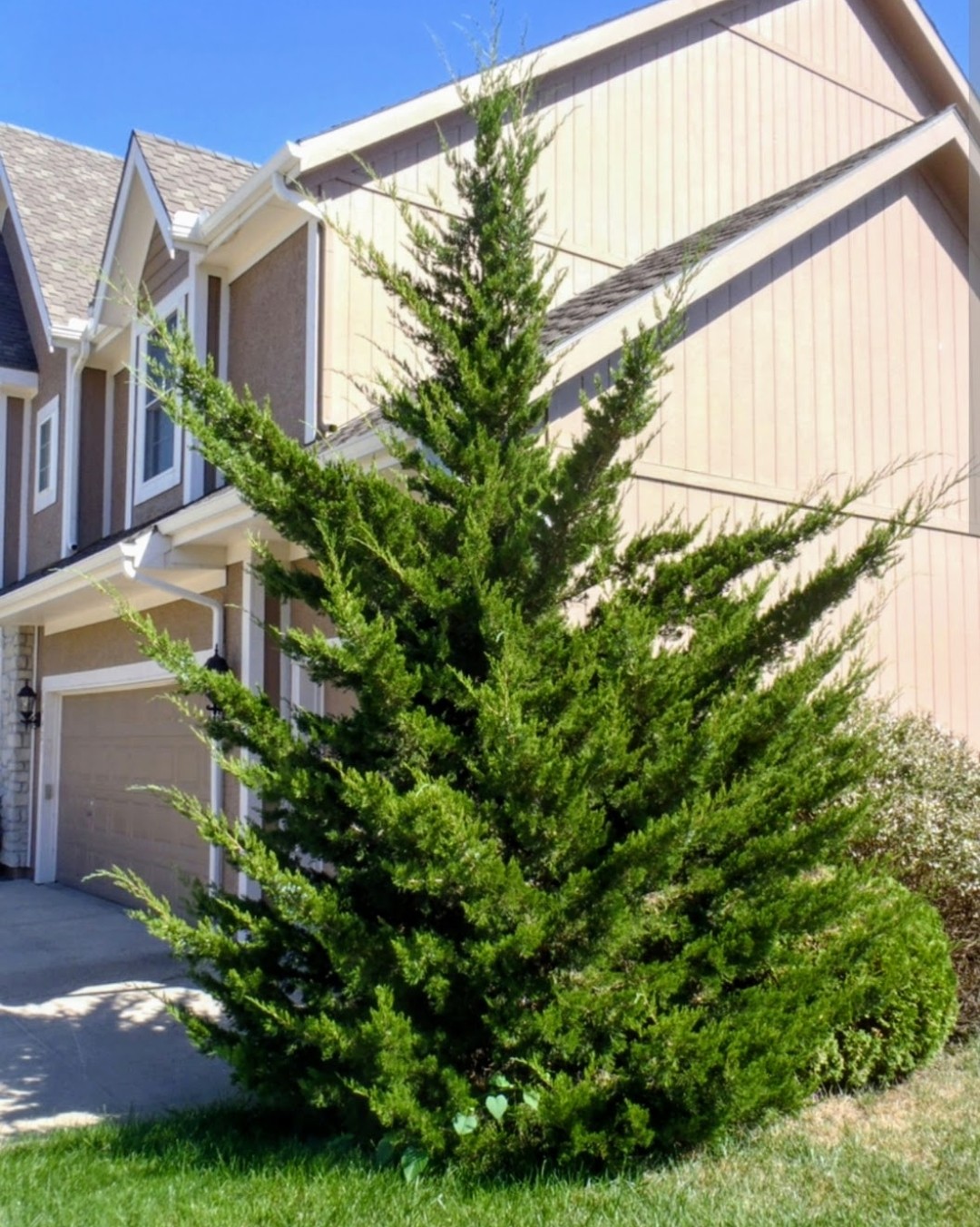
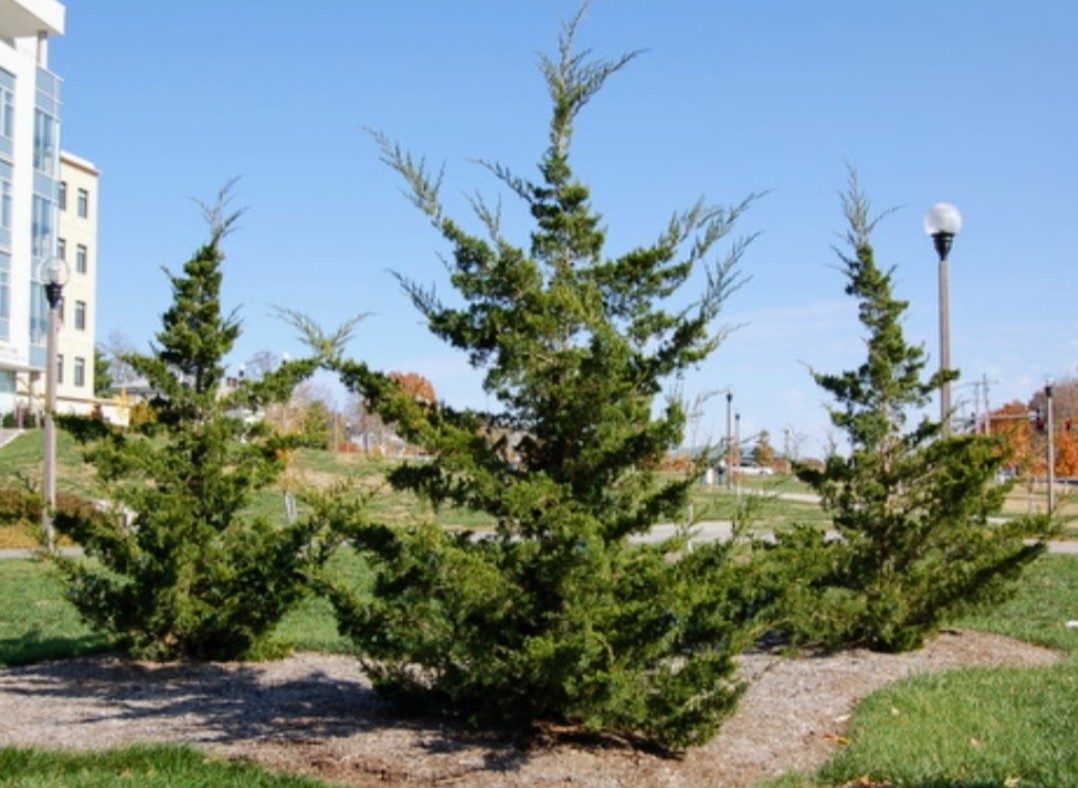
  1. 'Canaertii' Juniper

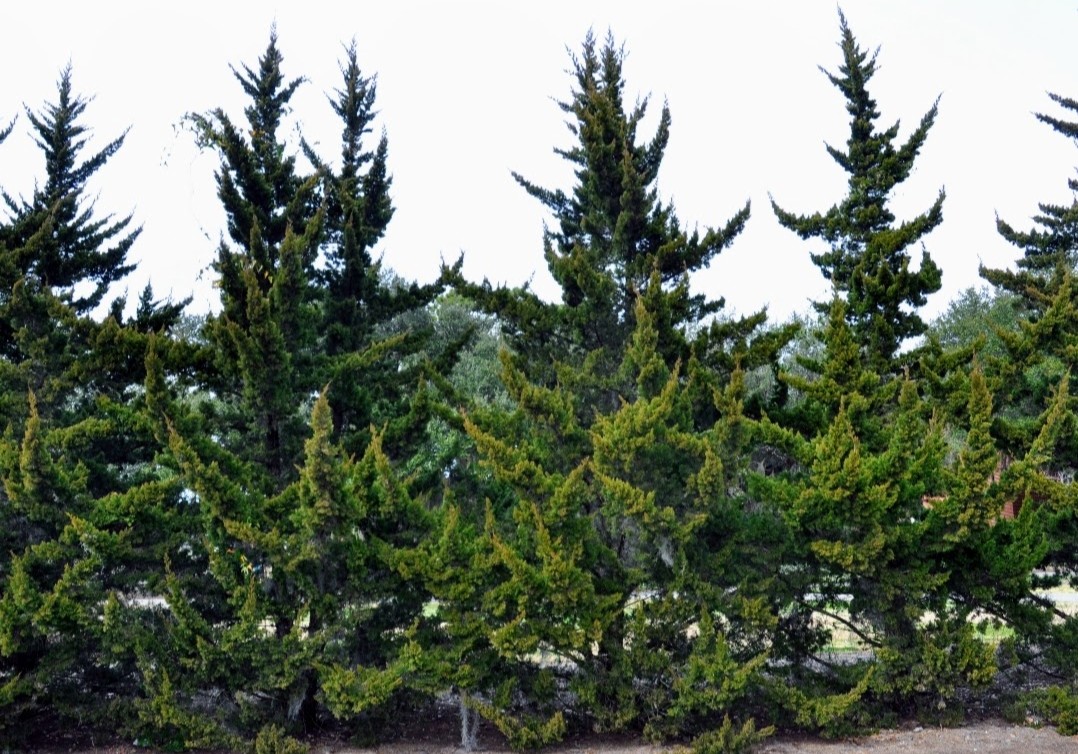
This cultivar of the native Eastern Red Cedar has been selected for its wild "artsy" growth habit. It grows outwards in all directions, while also maintaining a dense habit. Canaertii is spectacular as a stand alone accent or many together as a screen. This cultivar is a female clone, so it will produce beautiful blue berries (technically modified cones 😉) that coat the tree during Fall and Winter. The berries form on the tree during the Summer after Spring pollination. It prefers dry sites, though this Juniper is adapted to Indiana clay soils. It will grow in a wide variety of soils except ones that are consistently wet (like low-lying areas). Full sun. Matures to 25'-35' tall by 15'-20' wide. Hardy in USDA Zones 3-9.


  1. 'Skylands' Oriental Spruce

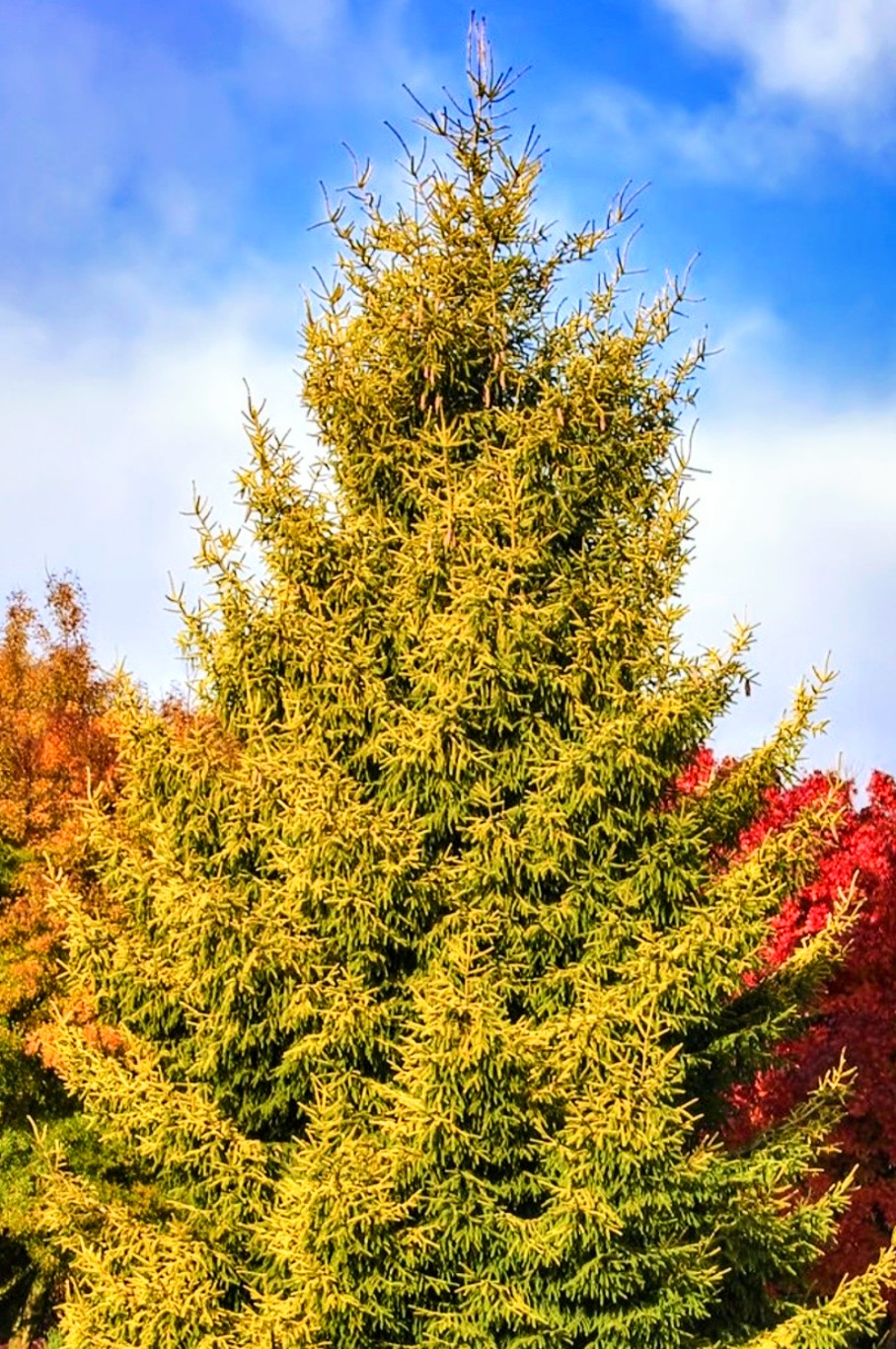
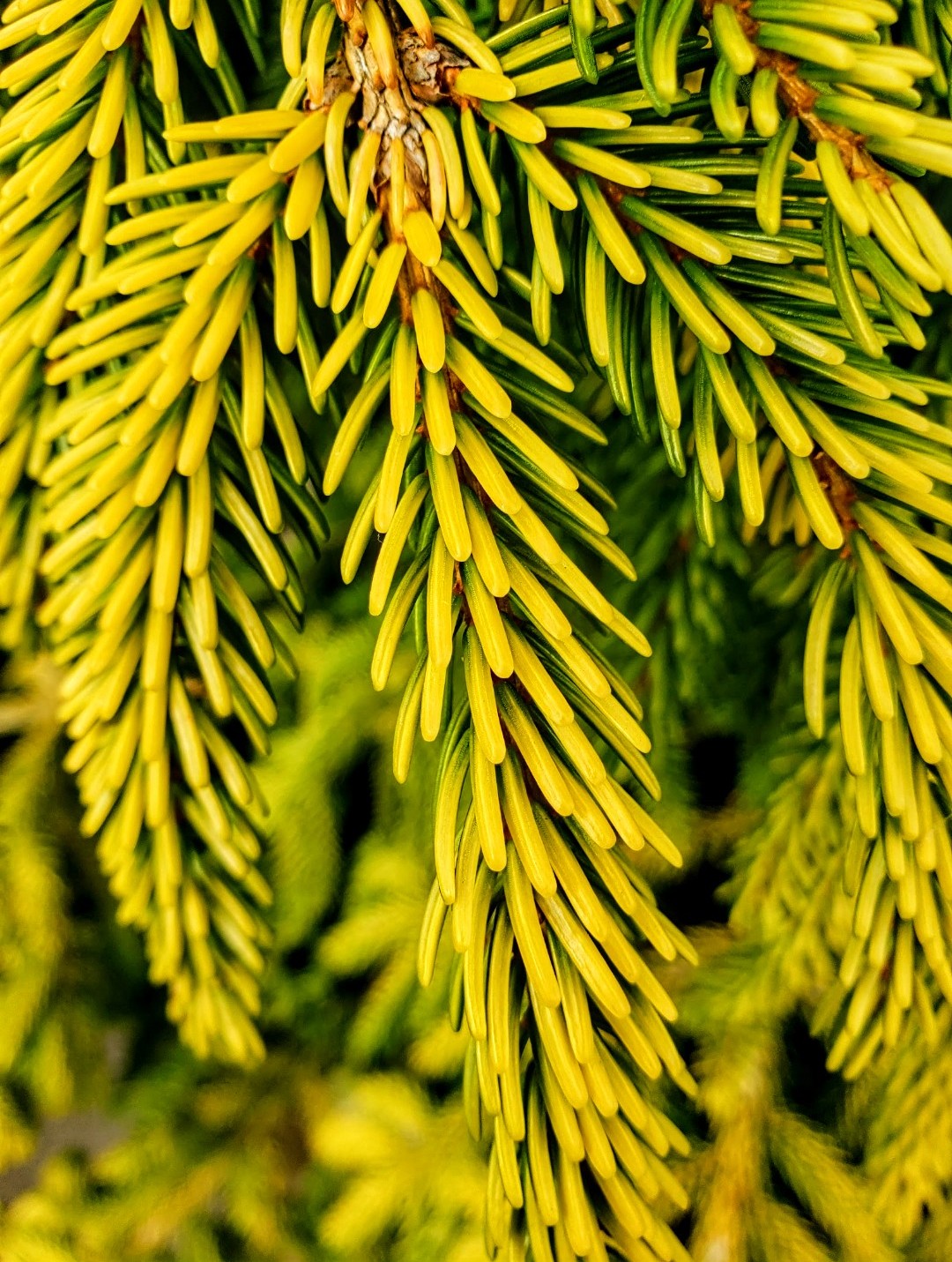
Oriental Spruce is a fairly uncommon species in the nursery trade, but is becoming popular in Conifer gardens. Oriental Spruce has small needles that are not prickly like most Spruces. The 'Skylands' cultivar was selected for intense glowing yellow growth. Oriental Spruce has a sweeping habit of the branches that stand out amongst other Conifers. Skylands truly is a fantastic full Conifer with bright burning yellow needles that fade to an emerald green on the oldest (interior) growth. Retains the bright yellow needles on the newer growth all year-round. It will look best as a stand alone accent. Hardy in USDA Zones 4-7. It matures to 25' tall by 15' wide. It grow at 6"-12" per year. It prefers moist well-drained soils. It has some drought tolerance once mature. While it prefers Full sun, tbe golden needles may burn in the hot Summers of the South, so it may be best to plant in partial shade location.


  1. 'Paul's Select' Norway Spruce

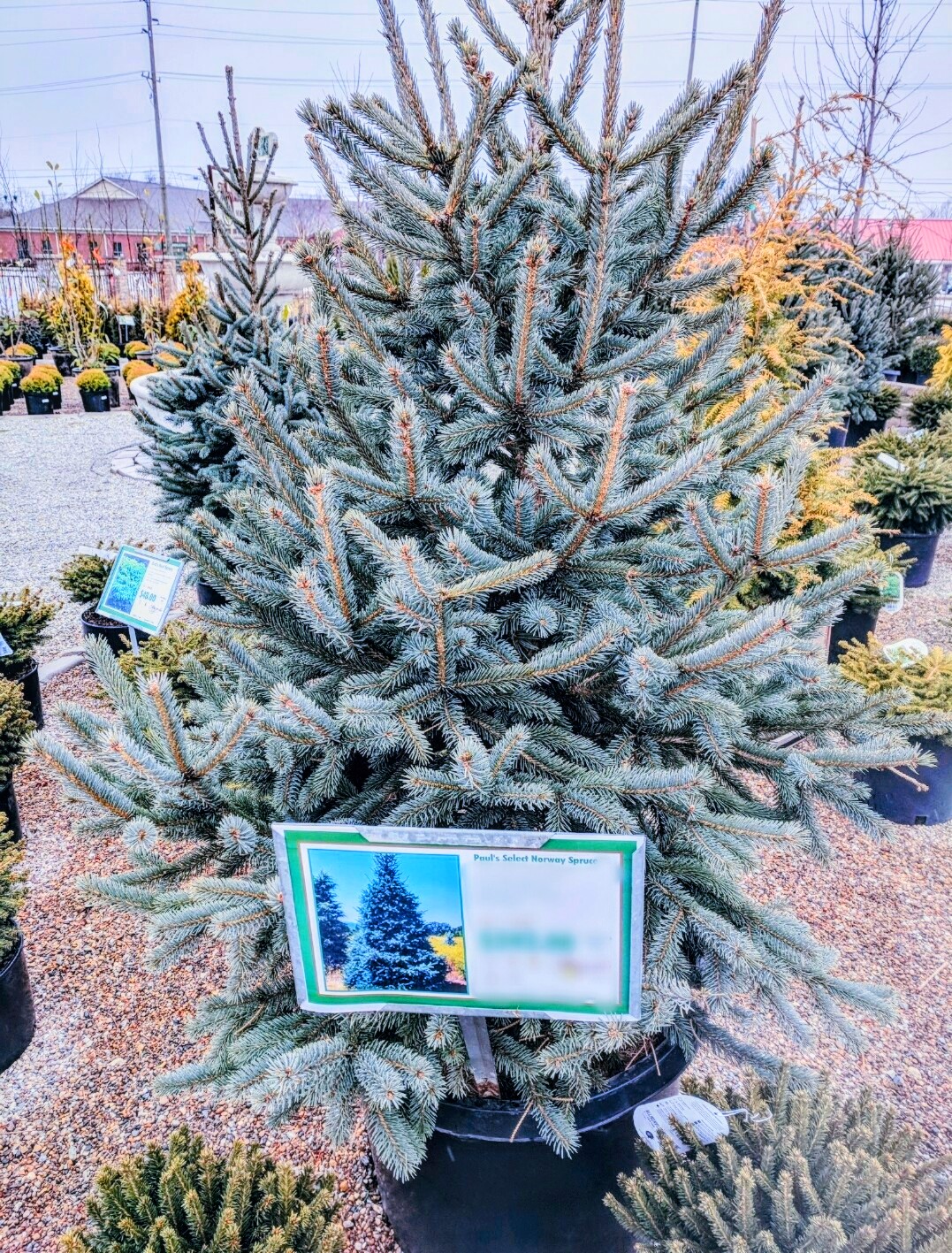
This is the first and only BLUE Norway Spruce that exists! A beautiful Conifer that is a great alternative to the Colorado Blue Spruce (Picea pungens) that is suffering Rhizosphaera Needlecast disease in much of the Eastern US. Needlecast is a fungus that kills many Conifers from our high humidity and wet clays. Norway Spruce is generally a great options and is very versatile in many climates and conditions. This is a dwarf selection of Norway Spruce. Only maturing to 20' tall by 10'-15' wide. Though this is a fairly new cultivar, so truly mature specimens may not exist. It is very possible it may get much larger than this over a period of many decades. The needles are much smaller than regular Norway, as is the growth rate at 6"-10" per year vs 3'-5' per year when young on a regular Norway. Definitely a must buy if you happen to find one! Hardy in USDA Zones 3-7.


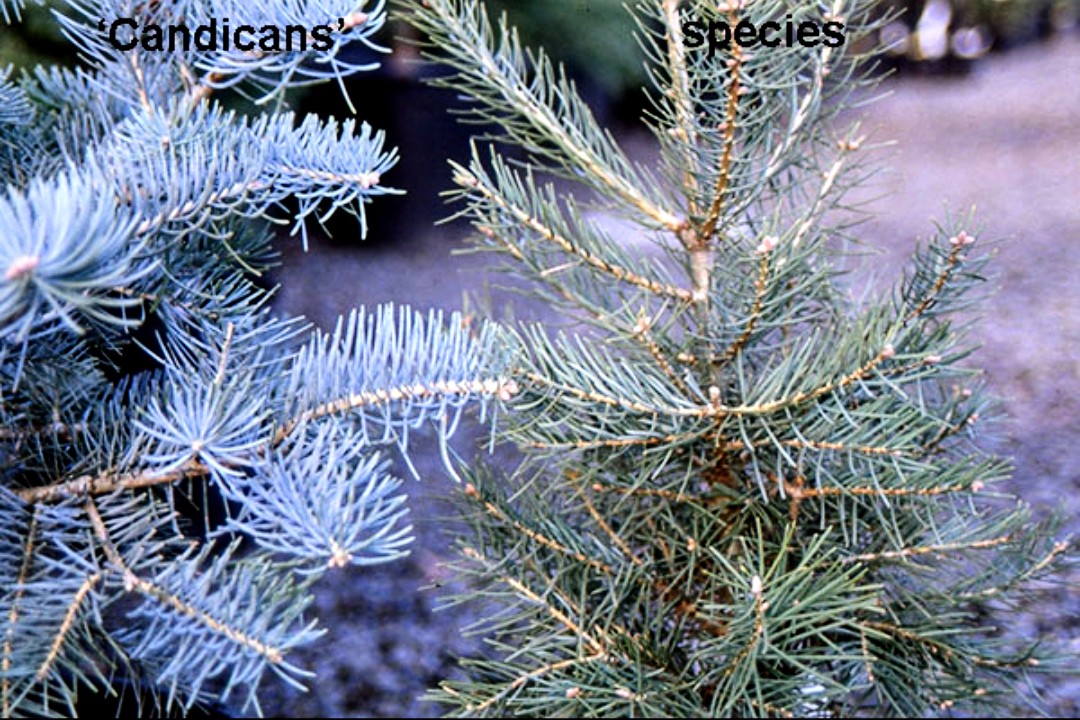
  1. 'Candicans' White Fir

Considered by many to be the bluest of all the Conifers, this bluer cultivar of Concolor Fir is a must have for any garden/landscape. Concolor Fir has long needles that are soft to the touch. When the needles are crushed it emits a very strong Citrus aroma. Concolor Fir is considered to be one of the most versatile of the Firs for our Indiana climate and soils. One of the only Firs to adapt to heavy clays and high heat/humidity. It will grow very large and wide given time. It will grow 1'-2' per year, and will mature to 35'-50' tall by 25'-35' wide. Hardy in USDA Zones 3-7.


Wednesday, September 7, 2022

OP-367 Hybrid Poplar


OP-367 Hybrid Poplar 

Populus deltoides × Populus nigra 'OP-367'

(Populus x canadensis 'OP-367')


This cultivar of a hybrid Poplar is very likely the fastest growing tree on Earth. While other Hybrid Poplars grow at 4'-6' per year, this cultivar in the right spot can grow more than 10' per year. The tree can grow to be over 100' tall im about a decade or so. This tree is almost never commercially available due to the fact nurseries can't compete with virtually every other tree that takes years to get to a substantial size, and the fact every branch of Hybrid Poplar can easily be propagated into new trees. However most if not all urban homeowners shouldn't want a tree growing that fast to outgrow their yard and home, so in most cases traditional shade trees are the best. Cuttings are best taken when dormant to root to avoid shock with foliage. No rooting hormone is required as it releases its own natural hormone. Grows in virtually any environment from arid sites to wet sites. However in very hot dry climates they will require water support the first few years. They also tolerate extraordinarily poor soils, and are planted near treatment plants or polluted sites to remove harmful waste in the soil, as they are one of the few trees that can take such conditions and thrive. For wholesale or commercial propagation cut back to the ground every year or every other year and the tree will simply send new shoots from the base and this can be done indefinitely for nearly infinite cuttings to root. Can be cut for large firewood in as little as 2 or 3 years. This tree is a hybrid Between the Black Cottonwood (native to Europe and Asia) and Eastern cottonwood (native to Eastern North America). This cultivar was selected at the Oxford Paper Nursery in New York State in the 1920s. Studies show the Black and Eastern Poplar hybrid produced the best versatility and growth of the other Poplars hybridized. The 'OP-367' cultivar was found to produce the most biomass of the Hybrid Poplars, and grow the fastest. Other online sources claim the 'OP-367' cultivar can grow up to 12' per year. However studies show the tree grows its most vigorously during its first growing season, and still very aggressive during its 2nd season. I suspect growth upwards of 6' per year continues until larger than 40' tall after a few years. 'OP-367' is a male clone so no cotton/seeds are produced. The tree is most easily sold/shipped as bare-root cuttings during dormant season, though some growers may ship them as rooted saplings. The Hybrid Poplar is hardy in USDA Zones 3-10. It grows in full sun. Not particular with soil type or pH, as it is extremely versatile. 

The following is quote from North Carolina State University on why Poplars are not good landscaping trees:

"Poplars are not good landscape trees because they are susceptible to a number of pests and diseases as well as other cultural problems. Insect problems include aphids, borers, caterpillars, and scale. Cankers are problematic especially in hot and humid climates. Cytospora canker attacks the upper branches of the tree and trunk and is often fatal. Dieback, leaf spots, rusts, and powdery mildew are other diseases problems. Weak wood is easily damaged by wind and shallow roots can lift sidewalks, make lawn mowing difficult, and damage drainage systems. Frequent clean up is required from the endless amount of falling leaves and twigs. To quote Michael Dirr from his popular book Manual of Woody Landscape Plants, "if anyone plants poplars they deserve the disasters which automatically ensue.""


All in all use this tree as a reclamation for the environment, or to screen large open farmlands with poor soils. It is best to avoid Poplars in general in the urban landscape.


Sources:

https://www.hybridpoplars.com/hybrid-poplar-uses/ 

https://davesgarden.com/guides/pf/go/53617/#b

https://plants.ces.ncsu.edu/plants/populus-nigra/

http://www.missouribotanicalgarden.org/PlantFinder/PlantFinderDetails.aspx?kempercode=a894

2 linked videos (YouTube and Instagram) posted August 15th, 2022 and September 7th, 2022. Over over 1.5' of growth within 3 weeks!

https://youtu.be/V9BMO-Tv7Ck

https://www.instagram.com/reel/CiOH5KJDdY7/?igshid=MDJmNzVkMjY=


Tuesday, February 22, 2022

Top 5 Evergreens for Erosion Control/Reclamation for Zones 5-7

 Top 5 Evergreens for Erosion Control/Reclamation for Zones 5-7


  1. 'Green Giant' Arborvitae (Thuja plicata x standishii 'Green Giant')

This increasingly popular selection of Arborvitae is an excellent choice either as a screening tree or as a stand alone accent. Because it gets so large, it can be used as a reclamation tree as you would other large evergreens. Foliage is very soft to the touch. It does bronze some in harsh Winters, but is fully hardy down to at least -25°F to zone 8a. When young this tree grows very vigorously at 3'-5' per year. Performs best in Full sun, but is tolerant of partial shade.


  1. Norway Spruce (Picea abies)

This tree is a classic landscaping tree. The most commonly planted evergreen in the Eastern US. It has been widely planted since the 19th century. They grow very large up to 100' tall by 30'-40' wide at maturity after about 100 years. When young they grow 3'-4' per year. Very cold hardy to -40°F if not colder to zone 7. Unlike most other Spruce, Norway Spruce has some shade tolerance so it can take some competition from other large trees. However this tree isn't tolerant of full shade, and prefers full sun.

  1.  Eastern White Pine (Pinus strobus)

This evergreen has been widely planted in the Eastern US since Europeans first colonized the region. Is is most heavily planted in the Great Lakes and Ohio Valley regions closer/in its native range. Will grow anywhere in the Eastern US in USDA Zones (3b)4-7(8a). Unfortunately the White Pine requires acidic soils and performs poorly in drought and compacted clays. So many have to site this tree properly if poor clay soils are an issue. Chlorosis can be a problem if not in the correct soil. As a reclamation in great soil in a wooded area this tree is an excellent choice. The needles are very long, but super soft aka not prickly)

  1. Eastern Red Cedar (Juniperus virginiana)

This evergreen is the most common evergreen in parts of the Eastern US. They grow in virtually the poorest soils, from disturbed sites, to slopes, to foreat edges and others. The Eastern Red Cedar not a true Cedar but in fact a Juniper can grow in Alkaline or Acidic soils. They don't like poor draining soils however, so make sure if you have clay soils to make sure water drains away from the roots. Since it can grow in the poorest soils, it is excellent as a restoration tree on disturbed sites. Hardy in USDA Zones 3-9. Mature Size ranges from 25'-50' tall by 15'-25' wide. Full sun is a required for this tree.

  1. Black Hills Spruce (Picea glauca 'Densata')
This tree native to the Black Hills of South Dakota is also the state tree is one of the best Spruce options further South where hot Summers may stress other Spruce such as the regular White Spruce. Black Hills Spruce has a more compact slower habit than the White Spruce slowly maturing to 30' by 15' instead of over 60' tall like the White Spruce. Black Hilld is more tolerant of higher heat than the regular White Spruce, also tolerates drought better as well. Extreme cold hardiness down to -50°F to zone 7. Full sun is required for this tree. The needles have more of a silvery/bluer tinge to the deep green needles than the regular White Spruce. 

Ponderosa Pine

 Ponderosa Pine

Pinus ponderosa

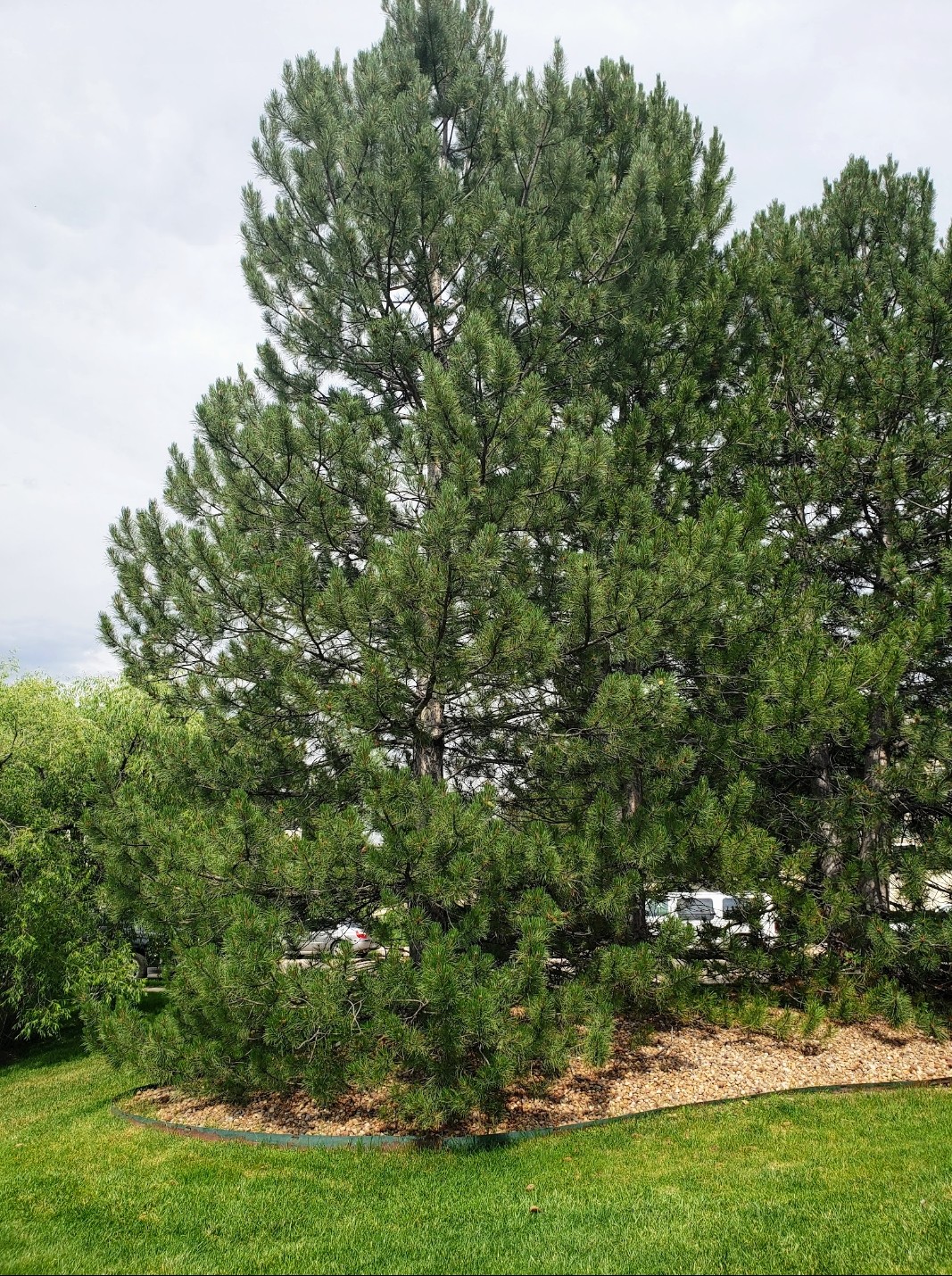
Pictured Above are a Grouping of Ponderosa Pines in Boulder, CO


Ponderosa Pine is a long needled Pine native to the Rocky Mountains, Sierra Navada, and into parts of the Northern Plains. The species is divided into four subspecies. One native in the NW, one in Sierra Navada range in California, one in the Southwestern part of the country, and one in the Colorado Rockies to the Northern Plains. This tree is also very popular in landscaping as an erosion control tree or for common landscapaing. It dislikes the clay soils and high moisture in Eastern states, however they will adapt if sited properly. I have read of specimens grown near Chicago with great success, as well as in some East Coast areas.


Hardiness: USDA Zones 3-7


Mature Size: 50'+ tall by 20'-30' wide


Light: Full Sun


Water: Dry

Performs best in well draining soils.


Soils: Not particular with specific pH level. Requires deep well draining soils. While not preferring clay soils, they will adapt if placed properly with adequate drainage. Most Conifers including Ponderosa Pine prefer slightly acidic soils, but Ponderosa Pine does have quite the tolerance for a wide range of soil pH from Alkaline to Acidic.


Deciduous/Evergreen: Evergreen

Sunday, December 19, 2021

Sand Pine Christmas Tree

 Sand Pine Christmas Tree

Pinus clausa


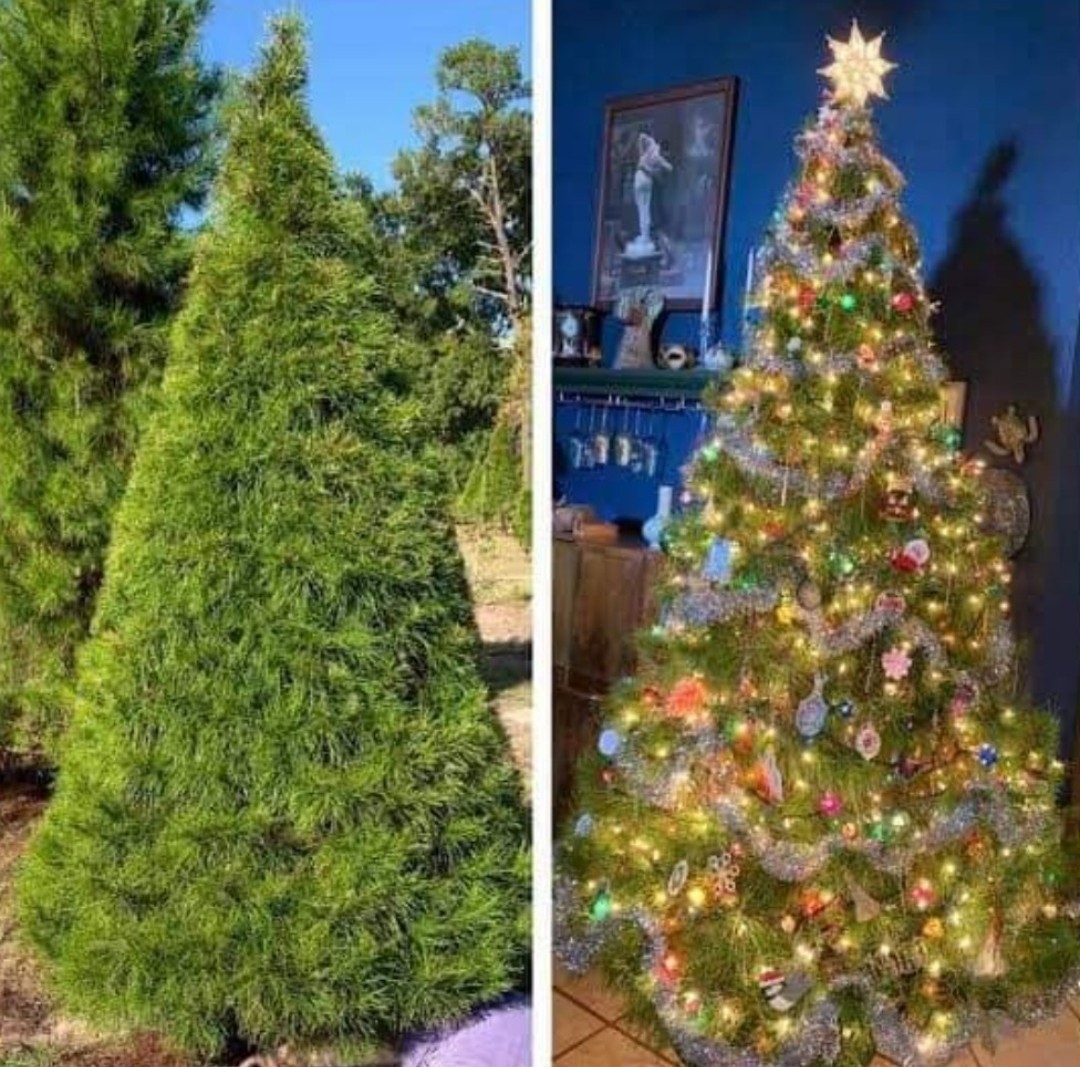
The Sand Pine is an underrated Christmas tree native to Florida and small sliver of Alabama. Many may not beleive me, but the most common type of native tree in the state of Florida is Pine. Several species are native in the state. The two most common are Slash Pine and Loblolly Pine. There are a few species of Conifers that are grown as Christmas trees in Florida. However most can only be grown in the North half of the state because the Southern half is too warm. Unlike other Pines, Sand Pine has very short and compacted needles ao its excellent to be grown as a Christmas tree. Sand Pine can grow anywhere in the state from Miami to Tallahassee. So even people who want to cut their own tree in South Florida have to option. Many tree farms exist in Southern Florida that grow Sand Pine. Sand Pine is hardy in USDA Zones 8-11. This tree grows in sand dunes in Central Florida and along sandy coastlines. It is intolerant of wet soils. It is also nicknamed the Scrub Pine due to scrubby growth. When young it is very contact and decent looking, but becomes very scraggly with age, and usually not very tall.


Upclose


Native Range


Wild Sand Pines


Sand Pine on Florida Christmas Tree Farm


None of these pictures are mine. 


Sources:


http://www.floridachristmastreefarm.com/tree_types.htm


https://www.bonsai-bci.com/index.php/by-common-name/evergreen-conifers/585-pinus-clausa


https://mapio.net/pic/p-40672509/


Thursday, December 9, 2021

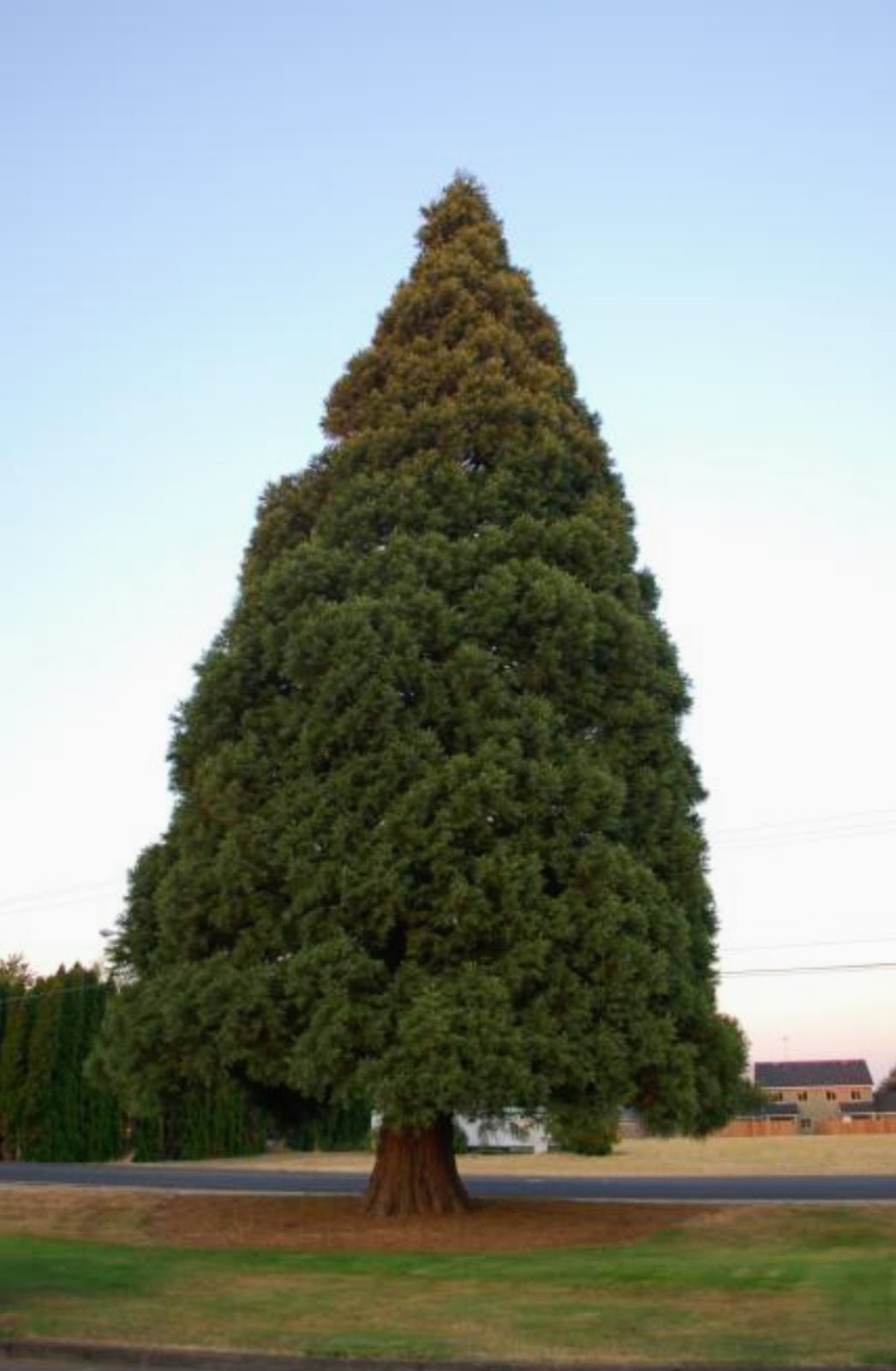
Giant Sequoia

Giant Sequoia 

Sequoiadendron giganteum

Giant Sequoia is regarded as the largest and one of the oldest trees on Earth. No tree compares to these ancient monsters! Most people know about these trees however because they are so infamous. The are quite adaptable and will grow beyond the Sierra slopes in California. In fact, several cultivars have been bred for better cold tolerance and overall durability to harsher environments. Generally given a little TLC and protection from harsh winds these trees should grow in zones 5 or colder areas of zone 6. However, saplings are the most sensitive. These tree will grow over 2'-4' per year or perhaps faster given optimal conditions. They are somewhat picky for conditions. They require loose draining soils that don't remain super dry through the hot seasons. They also can not tolerate wet sites. So finding the great spot is key. They are adaptable to clay soils so long as Water quickly drains after heavy rains. Saplings were selected back in the '40s from California and were planted along Lake Michigan in Manistee. 3 seedlings out of the 6 survived. 1 is doing exceptionally well. For that climate the harsh cold winds should kill a Sequoia. However, the trees likely had better genes than most sequias, so that is the advantage. The man who owns the trees has been micropropagating them in the millions to plant to slow climate change due to their unique ability to survive Michigan winters. Also a key factor, to their survival Michigan along the coast is slightly warmer due to the lake than inland. That helps the trees survive. The sandy soils aid with water drainage, but being right on the lake prevents them from becoming bone dry. Really the perfect locations for these amazing cultivars. Another breakthrough cultivar 'Glaucum' is a blue cultivar bred for blue needles and much stronger cold hardiness into zone 5 than the species. 


Hardiness: USDA Zones 6-9 

(zone 5 with protection)


Mature Size: 100'-250' tall by 25'-40' wide


Light: Full Sun


Water: Dry-Moist

Performs best in loose well draining soils. Does not tolerate wet sites. Does not tolerate very dry soils especially when young. Very drought tolerant once established.


Soils: Prefers Acidic soils. Prefers loose well draining soils. Adaptable to other soil types such as clay or loamy clay, so long as adequate drainage is provided.


Deciduous/Evergreen: Evergreen 

Wednesday, November 10, 2021

Windmill Palm

 Windmill Palm

Trachycarpus fortunei 

This hardy Palm is renowned as the hardiest "trunked" Palm in the world. Once established it will survive brief temperatures down to between 0°F to 5°F with severe foliar damage. Usually temps above 10°F will result in no foliar damage. Sustained freezing temperatures will kill this tree however. Fast growing Palm. They put on as many as 5-10 new fronds per season. They tend to dislike extreme heat year-round (aka during the Winter). They will perform best with hot and humid Summers, and cool/mild Winters. Windmill Palms don't perform well in the hot South Florida climate. However, they thrive in virtually any other part of Florida. They have been successfully grown unprotected to Tennesee, Maryland, Virginia, Arkansas, and others. Hardy in USDA Zones 7b-9 (sheltered areas of zones 10-11 out of hot afternoon sun). Will survive in protected areas in zone 7a and perhaps 6b if heavily sheltered.


Hardiness: USDA Zones 7b-9 

(Shady areas in zones 10-11)


Mature Size: 30'-40' tall 

(Rarely up to 50'-60' tall)


Light: Full Sun-Part Shade 

(Part shade to mostly shade in sub-tropical climates such as zones 9b and warmer)


Water: Medium-Moist

Performs best in moist well draining soils. Has some drought tolerant once established.


Soils: Not particular with specific pH level. Not particular with soil type and will grow in poor soil conditions except wet ones. Performs best in slightly acidic well draining soils.


Deciduous/Evergreen: Evergreen

Sunday, October 24, 2021

Food Forest

 Food Forest

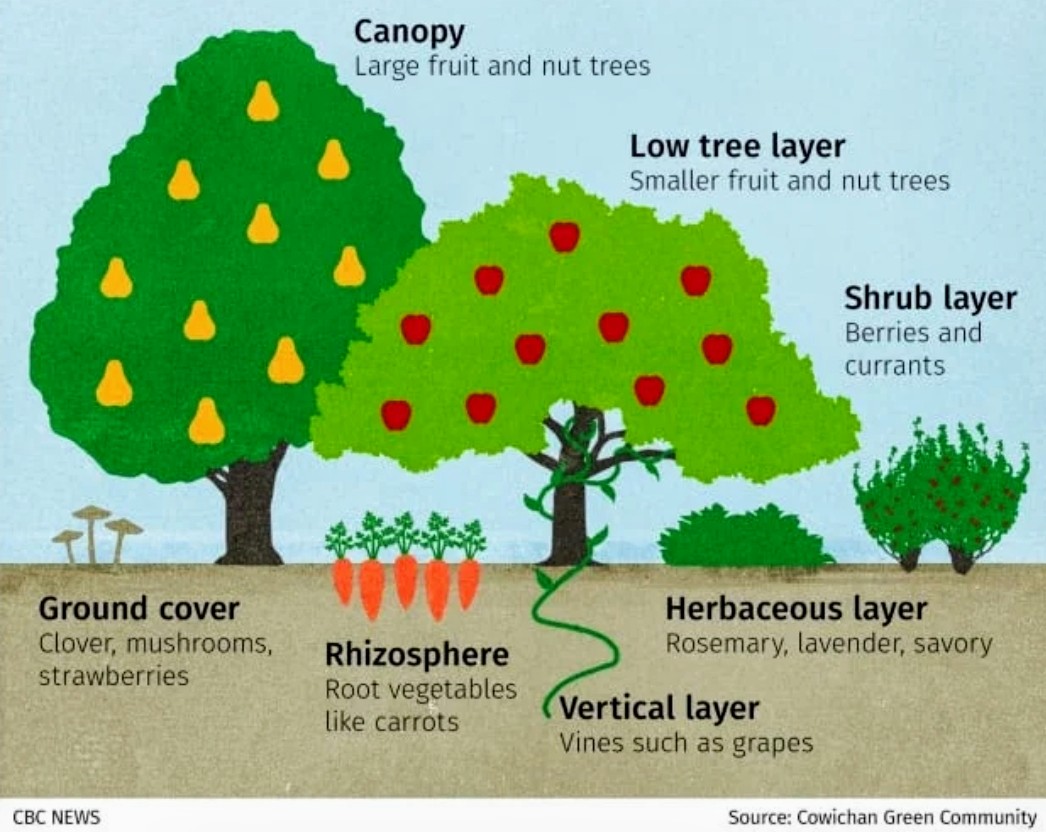
"What on Earth" is a food forest?! A food forest is a fairly new concept of agriculture. However, this is different from any other form of agriculture. This for of agriculture is not maintained by man, but is let go to nature. Edible plants are grown in a manor similar to the structure of wild plants. Mother nature has perfected this over hundreds of millions of years. Imagine a forest, humans don't need to intervene at all to keep the plants alive and healthy, but we have to for most agriculture. A food forest uses native plants to mimic nature and we get food with little intervention at all. 

Most food forests use only native plants, however this isn't always necessary. So long as a plant is not invasive and is fully hardy to one's regions, it can act as a food forest plant. Most people consider natives becuase they are guaranteed fully 100% will thrive in that region and won't become invasive and hurt the rest of the ecosystem. Providing a canopy in most regions that support forests is key to prevent the soil from drying up and becoming infertile. And ground covers and lower trees and shrubs are also necessary for Maintaining a balance. We know this practice of agriculture can NOT replace conventional means of agriculture far too many people to meet those demands, however if we can transform some land to this not only will we help the Earth against many forms of pollution and climate change, it will also help with farmer shortages too. 

For example in a Ohio Valley/Great Lakes region one could plant Persimmon, Black Walnut, Hickory spp. (perhaps Shellbark and Shagbark Hickories) as the canopy, low tree layer may include American Plum, Red Mulberry, Paw Paw and others. The shrub layer may include American Cranberry, Elderberry and others. A good vining plant is a native grape vine. For the Herbaceous perennial layer one may try Pokeweed, Strawberry, edible mushrooms and others.


In other regions one may plant annuals and biennials but by mimicking the ways of nature one wouldn't have to fertilize or water, or prepare the soil every year, but with annuals the person would only have to plant every year. 


Examples of food forests from temperate to tropical regions ⬇️


Top 5 Large Evergreen Trees for Zone 5

 Top 5 Large Evergreen Trees for Zone 5


  1. Norway Spruce (Picea abies)

Perhaps the most versatile Spruce on the market. Vsry fast growing tree that Matures to 75'+ in height and 30'+ wide. Great to screen large areas or use along as an accent focal point. Tolerates high heat and humidity better than other Spruce species. Tolerates clay soils better than other Spruce trees. Can take most soils expect wet ones, making this tree the #1 choice for landscaping in USDA Zones 3-8.


  1. Black Hills Spruce (Picea glauca 'Densata')

Great Spruce alternative to the Norway Spruce for smaller size only maturing to 30' tall by 15' wide (rarely to 50' in the wild). This wild variety of White Spruce is more heat tolerant than the White Spruce tolerating the sweltering summers of the Eastern US. Hardy in USDA Zones 2-7


  1. 'Green Giant' Arvorvitae (Thuja standishii x T. plicata 'Green Giant')

'Green Giant' is fast becoming a popular screen tree for very large areas where the dwarf but more popular 'Emerald Green' Arboviate is too small to plant. 'Green Giant' Arborvitae can be planted in rows as a screen or alone as a focal point large evergreen statement. Similar in annual growth rate to the Norway Spruce it can grow 3'-4' per year once established. Matures to 50'-60' tall by 25'-35' wide. Bronzing of foliage in harsh zone 5 winters is not uncommon and they green back up in Spring. Hardy in USDA Zones 5-8 (considared hardy in zone 4b and in protected areas of zone 4a)


  1. Eastern White Pine (Pinus strobus)

This Pine has been a staple of landscaping for generations in the Eastern US. Most people associate Pines with sharp painful needles, but not this tree! It's long needles are soft as a feather. The branches sway in the wind adding a striking look to any landscape. These trees are fast growers at about 2' per year. They mature to 75'+ tall by 25'-40' wide. Hardy in USDA Zones 3b-8. Unlike other 'northern' Pines the White Pine thrives in the sweltering high humidity of the Southern states whole ALSO thriving with the 'Polar' Winters of the North. 


  1. Eastern Red Cedar (Juniperus virginiana)

This tree is the most common evergreen in the Eastern US. Grows so well that in some areas in its native range it grows like a weed. High heat, drought, or even moist clay soils doesn't bother this tree. However it does not tolerate wet soils. Very much adapted to the frigid winters of the North AND the sweltering heat and humidity of the South. Matures to 25'-60' tall by 10'-25' wide. The foliage has small somewhat sharp needles when immature, but mature foliage is soft with no visible "needles". Instead of cones which we associate with Conifers, Junipers make bright blue berries that the birds love to eat. However, these are not true berries, but are in fact modified cones. The berries coat the tree from mid-Summer through the Winter. Many birds are attracted during Winter for the delicious berries (cones). Many cultivars of this tree exist that are popular in the landscape. Hardy in USDA Zones 3-9.

Monday, October 18, 2021

Hardy Banana

 Hardy Banana

Musa basjoo

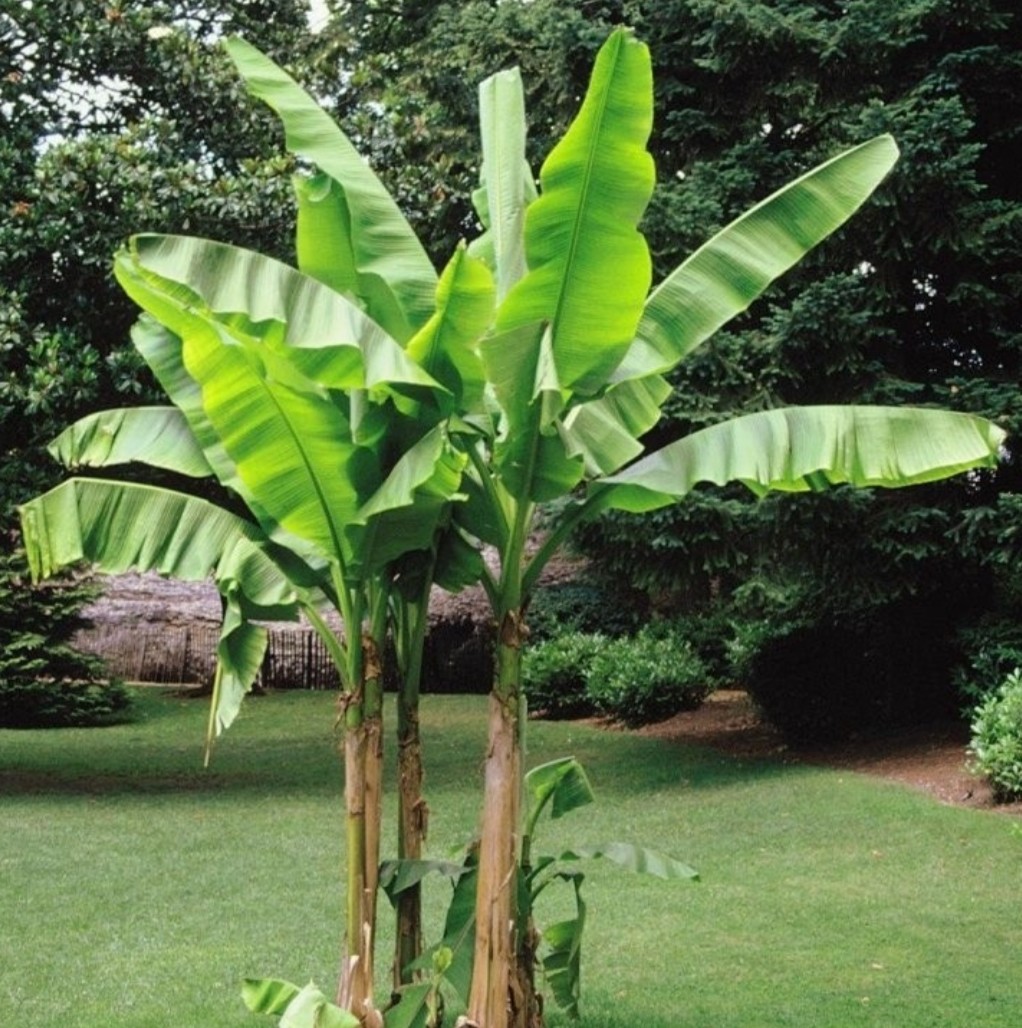
Hardy Banana is the most cold hardy Banana tree in the world. The foliage is only hardy to the freezing mark, however the roots are hardy to -20°F when protected. They only flower/fruit in frost free regions, and the fruits are inedible. This tree is grown in regions with freezing winters as a tropical like perennial that dies to the ground every winter. They can put up anywhere from 6'-14' in a single season from the ground in Spring till Fall. When planted in the ground in USDA Zones 5-8 they must be protected around the base with extra thick layering of mulch. Placing a tarp or heated cone over it also increases the odds of survival, but most have luck with simply heavy mulch. The trunk must be cut nearly completely to the base or 2"-3" from the base, because the stem/trunk is mostly water and a freeze will cause the stem to act like a wick and freeze to the roots killing the entire plant. Ensuring little to no trunk and heavy mulching will give it the best chance to survive. Musa basjoo during the growing season prefers consistently moist but well draining soils as root rot can occur if wet. When grown as a perennial they have zero drought tolerance, but mature specimens in frost free regions will tolerate some drought however. 


Hardiness: USDA Zones: 5-11 

Herbaceous perennial in USDA Zones 5-8; Evergreen in USDA Zones 9 and warmer


Mature Size: 6'-14' tall; 20'+ tall in frost free regions


Light: Full Sun-Part Shade


Water:  Moist Well Draining

Grows best in consistently moist well draining soils. Mature specimens in frost free regions have some drought tolerance; Specimens in frost regions have zero drought tolerance. Root rot will occur is soils remain completely saturated.


Soils: Not particular with specific pH level; May struggle in high alkaline soils. Grows best in moist well draining soils. They tend to rot in clay soils that don't dry quickly, amending the clay soil or placing on terrain with good drainage is best.


Deciduous/Evergreen: Deciduous/Herbaceous in USDA Zones 5-8; Evergreen in USDA Zones 9 and Warmer

Loblolly Pine The New Northern Pine

Loblolly Pine Pinus taeda The Loblolly Pine is widely known as the most common Pine tree in the South-Eastern United States. However, it is ...