The Norfolk Island Pine is a spectacular tropical Christmas tree! While not a true Pine, it is reltated to Pine by being a conifer. It is not cold hardy. So it can not tolerate temperatures below freezing. The only places this can be grown outdoors year round is from Central to southern Florida, southern Texas, California along the coasts from San Fransisco to San Diego. I have seen specimens as far north as Tampa, but not any farther north than that. Even there they can get severe damage or death from the cold. On occasion it can dip to freezing or slightly below. If the plant is mature and well established, it may survive those temps very briefly with only some damage. Young plants not matured will most likely completely die from temps at 32°F or colder. In true tropical places like Southern Florida and Hawaii they are really popular Christmas trees! They are grown on farms and cut down and decorated for the holidays! In the north they make perfect houseplants and are sold as potted plants from little 4 inch containers to 40 inch containers usually only a few feet tall at the most. In my area in Indianapolis they have them at Lowe's. I bought a nice one that is in 40 inch pot and around 3'-4' tall or so. To add some height I put it on a raised stand. I had one for many years I bought at that same size. For almost 7 years I had it. I accidentally killed it with too much fertilizer. It was about 7' or 8' tall when it died. So in another sveral years this one should get big! It may take over 2 decades before the plant becomes too big for the home if bought small. So no need to worry that it will outgrow your home anytime soon!
Light: Indirect light to full sun. If grown in shade, make sure it is within 10 feet from a window, and is well lit, not dark in a room without a window. Very adaptable to full shade to full sun. Make sure if you change it from full shade to sun you give it mostly shade with some sun for several weeks then slowly bring it to more sun. Do the opposite when bringing from full sun to shade. If you bring it immediately from sun to shade or shade to sun, the plant will go through shock and will die. It needs to slowly adapt to drastic changes.
Water: Good drought tolerance. Outside it grows in California with near desert conditions. Inside with a decent size plant at least 1'-2' tall when established in a big pot, water once every 2 weeks or so. As a small plant under 1' tall in a small pot water weekly. Make sure the soil completely dries out in between waterings. Stick your finger in the first several inches of the soil to be sure. Also make sure there are drainage holes at the bottom of the pot. Also be sure the pot is under a saucer. If no drainage holes are present it will sit in water, it will get root rot, and it will die.
Prune: The Norfolk Island Pine rarely need any pruning. On occasion if a branch is growing outward, or in an awkwardly position, it may be pruned. It should naturally form a nice pyramidal Christmas Tree shape. After many many years indoors, if the tree becomes to tall for your home, but you don't want to throw it away, you can cut the crown (top off). But to warn you, it will never have a pyramidal Christmas tree shape again. It will be a ball on a stem. It will send new shoots from the sides and fill out wide not tall. You can also prune the sides of the tree when old indoors, to prevent from widing too much. When grown outdoors in may never need any pruning.
Repot: Repotting Norfolk Island Pine needs to be done every 2-3 years or so. If the roots are compacted it will grow significantly slower, and may become slanted, or grow uneven.
Size: Norfolk Island Pine matures to 60'-100'+ by 20'-30' wide. Some of the tallest specimens have been reported at nearly 200' tall!
Friday, November 2, 2018
How to Propagate Umbrella Papyrus (Cyperus alternifolius)
This plant is so tropical like and adds great texture to the garden or with planters! This species is commonly mistaken with the more popular kind which has leaves that are more thin and fine that droop. The other species is less cold hardy. This species is a dwarf, and matures to 4'-6' tall. It is hardy to USDA Zone 8. It will die back when temps reach freezing, but the roots survive to 10°F. Some report that is will survive near 0°F. It will grow from the roots in the Spring. Most people leave it as a houseplant, then bring it back outside in their gardens or planters. It does not require a dormant period, as it is a cold hardy tropical. I had it as a centerpiece with flowers around it over the summer! This plant grows from full sun to full shade. It prefers more shade than sun though. In full sun it will need more frequent watering in order to thrive. In winter in the home it is very easy to care for in low light. They are basically swamp plants. They grow in water. They die or get severely injured if let to completely dry out. Make sure the soil stays moist at all times. It loves sitting in completely saturated soils. In the winter have a plant saucers underneath the pot and fill the saucer full of water. This should make for less watering in the winter. Before you know it, you can transfer it back outside for the summer!
Propagating the Papyrus plant is extremely easy! You can propagate the other species the exact same, but the pictures and the only plant I used are of the "Alternifolius" species.
STEPS:
1. Cut branches off plant (leaving several inches of the stem for easy holding)
2. Cut back leaves as far back as you can (makes for easier planting)
3. Stick them upside down in a vase of water
4. Within a week or two, roots with new shoots should emerge.
5. Cut back branch stems
6. Plant in soil
7. Water thoroughly
Propagating the Papyrus plant is extremely easy! You can propagate the other species the exact same, but the pictures and the only plant I used are of the "Alternifolius" species.
STEPS:
1. Cut branches off plant (leaving several inches of the stem for easy holding)
2. Cut back leaves as far back as you can (makes for easier planting)
3. Stick them upside down in a vase of water
4. Within a week or two, roots with new shoots should emerge.
5. Cut back branch stems
6. Plant in soil
7. Water thoroughly
Tuesday, October 16, 2018
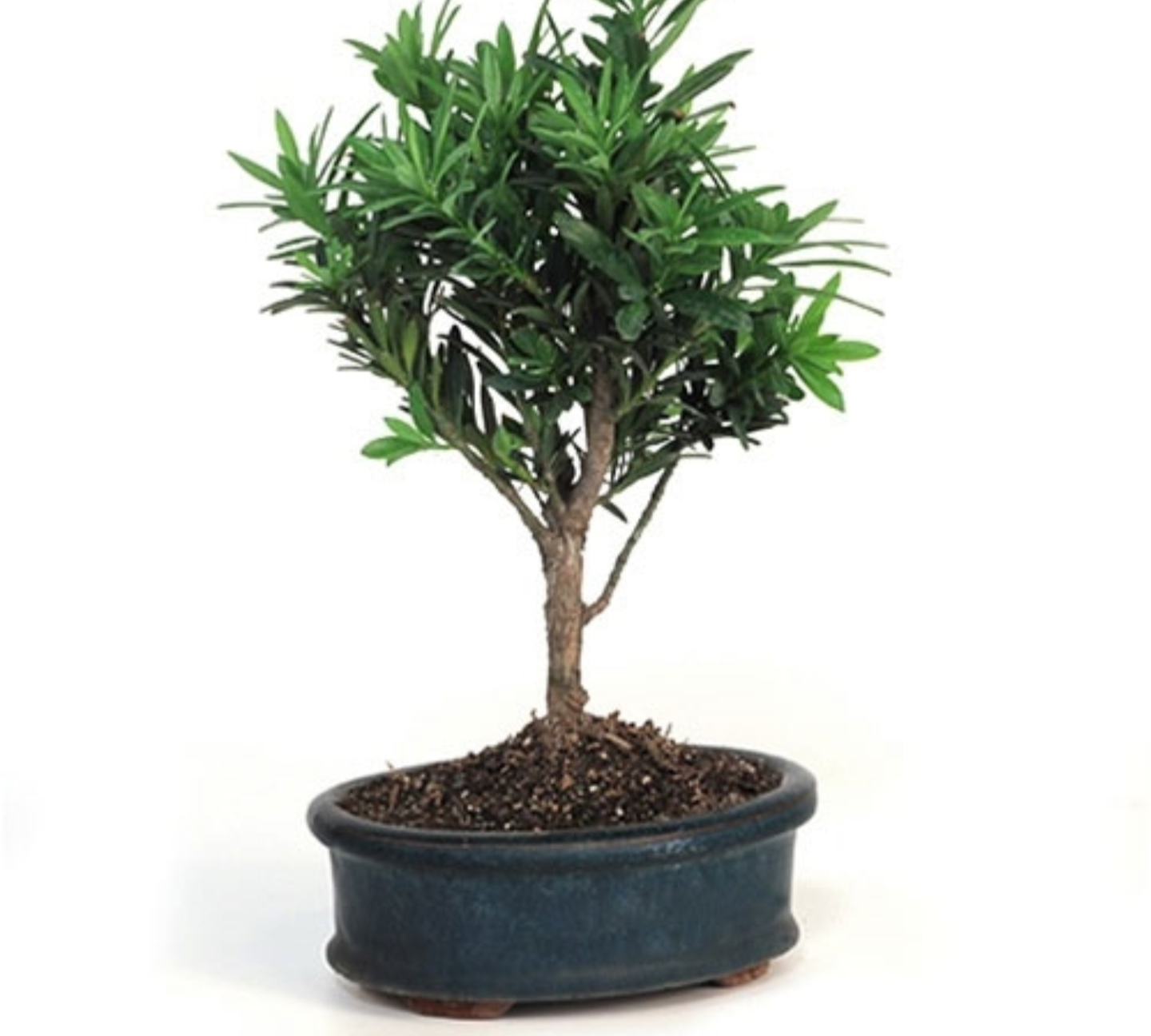
Podocarpus (Southern Yew)
Podocarpus is a shrub or tree that is an evergreen conifer that grows in the warmer side of temperate to tropical climates. The most cold hardy Podocarpus can be in some species is to USDA Zone 7. That would be right around the 0°F mark. Even there it may suffer winter damage. While some species can take little to no freezing temps whatsoever. The popular dwarf variety is the "Pringles Dwarf" used as hedges in the deep South. It is hardy to USDA Zone 8 (10°F to 20°F) to 11 (above 40°F). This variety will only mature to 5' tall by 5' wide at maturity, but can be pruned to keep at a smaller desired size. One new exotic and perhaps the only blue podacarpus is the "Icee Blue" variety. This variety is hardy in USDA Zones 9 (20°F to 30°F) to 11 (above 40°F). It is basically the Blue Spruce of the south.
There are lots more varieties, like the weeping variety, and others that can be more like trees. Make sure to check what zone you live in before getting Podocarpus. If you don't live where it can grow, Podocarpus makes fabulous houseplants! They thrive in indirect sunlight, but can adapt to full sun outside. Very water wise and can go almost 2 weeks without water when mature enough as houseplants. When young, they may need watering once every few days. They tolerate dry air/low humidity quite well. They also are amazing as bonsai, very easy to work with, and great for beginners!
NatureMan
There are lots more varieties, like the weeping variety, and others that can be more like trees. Make sure to check what zone you live in before getting Podocarpus. If you don't live where it can grow, Podocarpus makes fabulous houseplants! They thrive in indirect sunlight, but can adapt to full sun outside. Very water wise and can go almost 2 weeks without water when mature enough as houseplants. When young, they may need watering once every few days. They tolerate dry air/low humidity quite well. They also are amazing as bonsai, very easy to work with, and great for beginners!
NatureMan
Wednesday, October 10, 2018
Most Cold Hardy Palms
1. McCurtain Sabal Minor Palm
Native exclusivly to McCurtain County Oklahoma. It is the farthest north you can find wild Palms in the world! Seedlings have survived temps as low as -20°F with little damage.
2. Needle Palm
This Palm native to the southern US has a native range extending from South Florida to central Alabama and central Georgia. The Needle Palm is hardy between -10°F to -15°F when mature.
3. Chinese Windmill Palm
Native to mountain sides in China this Palm is hardy to 5°F. Can survive near 0°F but damage foliage is likely. Best survival chances are above 5°F.
4. Cabbage Palmetto
This Palm is the Native throughout floirda (excluding parts of the panhandle( and extends to southern North Carolina. The Cabbage Palmetto is hardy between 8°F to 10°F. Below that severe damage or death occurs.
5. Canary Island Date Palm
This Palm is found native to the Canary Islands.
This Palm tree is hardy to between 10°F to 15°F.
Native exclusivly to McCurtain County Oklahoma. It is the farthest north you can find wild Palms in the world! Seedlings have survived temps as low as -20°F with little damage.
2. Needle Palm
This Palm native to the southern US has a native range extending from South Florida to central Alabama and central Georgia. The Needle Palm is hardy between -10°F to -15°F when mature.
3. Chinese Windmill Palm
Native to mountain sides in China this Palm is hardy to 5°F. Can survive near 0°F but damage foliage is likely. Best survival chances are above 5°F.
4. Cabbage Palmetto
This Palm is the Native throughout floirda (excluding parts of the panhandle( and extends to southern North Carolina. The Cabbage Palmetto is hardy between 8°F to 10°F. Below that severe damage or death occurs.
5. Canary Island Date Palm
This Palm is found native to the Canary Islands.
This Palm tree is hardy to between 10°F to 15°F.
Monday, October 8, 2018
Bald Cypress
Bald Cypress is a deciduous Conifer. A conifer meaning porduces cones (like a Pine, Spruce, Cedar...) But it isn't evergreen like others it drops it's needles in the Fall. It has the most wide range of growing climates than most other trees. It's native range extends from southern Florida and the most dominant tree in the Everglades, to Southern Indiana and Delaware. In its southern growing areas it can growing alongside Palm trees! The Bald Cypress is hardy to -30°F. It is hardy in USDA Zones 4-10. Meaning this tree can grow in a subtropical climate to a cool temperate climate. Trees have been successfully grown in Canada like Toronto for example. In it's southern growing areas the coldest temperature it may ever experience is the freezing point. Meaning Bald Cypress in the Everglades or in Miami will go dormant with temps in the 40s, and may only a few times into there lifetimes experience temps near freezing. Specimens grown up north see temps below zero everywinter with plentiful snow. The Bald Cypress is an amazing tree with a wide range of growing conditions. It grows in the swamps and wetlands in many of it's native habitats, but is surprisingly drought tolerant. It has moderate drought tolerance. It may not survive desert dryness, but can grow in dryer areas, with some drought periods in summer.
Summer in October?!
Yes, it is October and it's been between 85°F-90°F everyday for nearly a week now. This is normal for this time of year in Alabama, not Indiana. Average high is in the upper 60s and the average low is around 40. Today and tomorrow will be in the mid 80s before true Fall takes over. This is extremely rare, and we were only a few degrees away from breaking all time records for several days in a row. The average peak time for Fall foliage is mid October. It is almost mid October and non of the tree have changed. This year it will be late October into early November for the peak. This is the average peak time for Georgia. This is good evidence of climate change. This is the second year in a row where Fall has come very late. But that doesn't mean Winter will be mild just because Fall came late. The first frost of the season is expected this week! I am ready!!! 🍁🍂 Here is my own made NatureMan forecast. I wanted to share this rare weather that is almost never seen.
Tuesday, September 25, 2018
Annuals You DIDN'T Know are Cold Hardy
Check out my latest YouTube video!
youtube.com/watch?v=SASUBRhZfFM&feature=youtu.be
NatureMan
youtube.com/watch?v=SASUBRhZfFM&feature=youtu.be
NatureMan
Wednesday, September 19, 2018
How to Make a Rosemary Christmas Tree
It is very easy and fun to make your own homemade Rosemary Christmas tree! Rosemary is a very popular herb that has needle like foliage that grows to 2-4 feet tall and wide at maturity. Rosemary is hardy down to about
10°F-15°F. Varieties have been cultivated like "Arp" to withstand temps to as cold as -10°F. But the traditional variety is only hardy to the teens at best for only a brief period of time. It is best grown indoors as a Christmas tree on a shelf, table centerpiece, or windowsill.
My Rosemary I bought was a small 6" pot only like 6"-8" tall and only 3"-4" wide back in May, and it was like $5 or something. Very cheap. It was small, but in ideal conditions in just one summer it can grow quite large! Mine now got to over 2 foot tall and 2 foot wide. Now MUCH less than that in width because it is now pyramidal. I had an extra red pot from a a little Norfolk Island Pine Christmas tree I bought last Christmas that has since died. I know it is not Christmas, it is only September, but I wanted to get it done so I don't have to worry about it. Plus, I will be hectic trying to get all my plants inside of the garage for winter protection, then making Christmas planters and decor. It will be one thing already checked off!
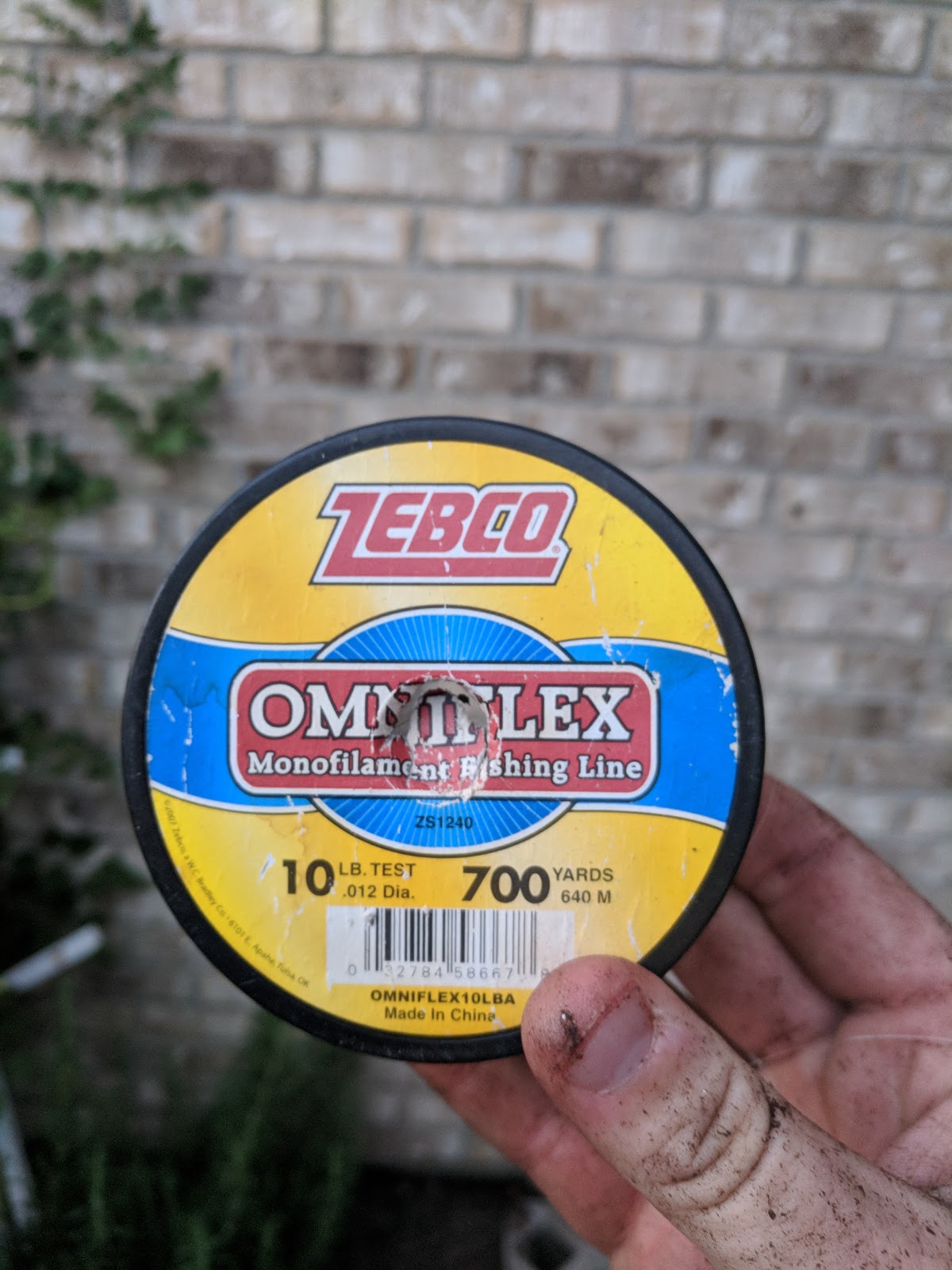
When making your Rosemary Christmas tree it is best to tie it near the top than in the middle. This way it will be more "plump" at the bottom adding the pyramidal "Christmas Tree" look to it. Then cut off any additional branches sticking out or in any way that ruins the shape or image. Also cut the top. You may be wondering as to why I have to cut off the top. The reason is, the tree may not be perfectly pryamdial and if you can have a shorter top then it will be more pyramidal in looks. But if you are satisfied with not cutting the top there is nothing wrong with that. Everyone does it differently. I use fishing line instead of twine or rope. This stuff is invisible. You want it to have the appearance of a natural Christmas Tree shape.
Good luck! Please leave your questions or comments if you have any.
NatureMan
Tuesday, September 11, 2018
'Edith Bogue' Soutern Magnolia Update: 9/11/18
My 'Edith Bogue' Southern Magnolia has grown wonderfully! It has gained over 2 feet in the past several months. I planted it back in early May. The tree was about a little over 3 foot tall. When in the pot it was just under 5 foot. (Don't always take into account the size once it's planted 😂). Now we are in September it has pretty much stopped growing except the leaves that have already emerged are getting bigger slightly. It has been from 90°F for highs to 60°F for highs in nearly a 2 week time. We had several days in the 90s then highs in the 60s and 70s. This I believe stunted the growth after having consistent temps in the upper 80s and 90s everyday, to well, the transition from summer to fall. Hot days to cool days back to hot days. September in Indiana is what I call a transition month. You will still see hot August like heat at times, and you will also see October or even November like temps all in the same month. Even when plants appear to not be growing. They are not necessarily dormant. When a plant is on a cycle of having certain weather for a long time the plant acclimates to those conditions. When there is a sudden shift in climate this can shock the plant. Rarely if ever harms it, it just stunts it's growth. Which is why in late summer or early Fall before plants go dormant from cold weather they usually either significantly slow growth or slow so much they appear to not be growing. This is very normal and is just apart of a plant's natural cycle. So back to my tree, it stunted growth a couple weeks ago, probably around late August or so when it start going from really hot and dry to hot and mild with more rain. Now all the 90s are over and temps have been steady between 70°F-80°F for highs and lows between 50°F-65°F instead of 65°F-75°F. I think it is done growing new leaves for the year, but the younger leaves still have some expanding and stiffening to do before the tree actually goes dormant. It is now almost as tall as me and I am slightly over 5' 10" tall.
It has performed so well this summer! I did heavy mulching around the trunk for better water retention to help from transplanting, and to have winter protection this winter. I have been soaking the base with a hose 1-2 times per week in the hottest parts of the summer. Once established watering it is not necessary, even in drought. I will not be giving it any winter protection besides the excessive mulching around the base for it's first year only. Once it establishes I will do normal mulching and leave mulch away from the trunk to prevent Volcano mulching which can kill trees. I won't talk about that in this post though.
I hope y'all found this post interesting and or useful! Feel free to leave any questions or comments if you have any. Thanks! 🌱🌳
NatureMan
Subscribe to:
Posts (Atom)
Loblolly Pine The New Northern Pine
Loblolly Pine Pinus taeda The Loblolly Pine is widely known as the most common Pine tree in the South-Eastern United States. However, it is ...
-
This post I will share the best Spruce trees to grow in Indiana (USDA Zones 5 and 6). This list does not include exotic cultivars and dwarfs...
-
In this post I will show you the most cold hardy Broadleaf evergreen shrubs, all of which are hardy to USDA Zone 5. A couple varieties are h...